 Service Area
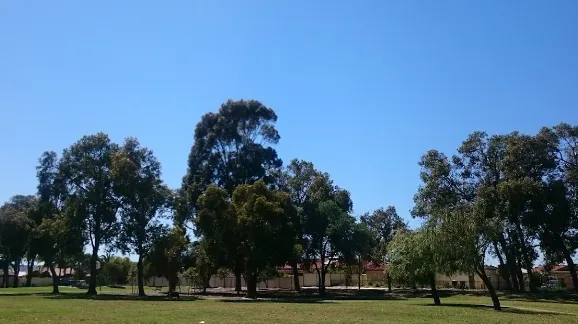
Professional Roof Restoration Parkwood - Southeastern Suburbs
Parkwood sits 15km south of Perth CBD in the City of Canning, a quieter residential pocket developed predominantly during the 1990s and early 2000s. Unlike its older neighbours Riverton and Lynwood, Parkwood’s housing stock is a generation younger - mostly project-built homes on moderate lots that are now entering their first major maintenance cycle at 20-30 years old. The suburb’s distinctive feature is its reactive clay soil base, which creates specific structural and roofing challenges not seen in the sandier suburbs nearby. With minimal established tree canopy compared to neighbouring Riverton and Shelley, Parkwood’s roofs face a different set of problems - intense UV exposure on unshaded surfaces, clay-driven structural movement, and the degradation of first-generation materials that weren’t built to the standards of earlier decades. At Roof Restorers Perth, we’ve restored hundreds of roofs across Parkwood, Canning Vale, and Lynwood with 15+ years of team experience.
The result: First-cycle restorations that address Parkwood’s specific challenges - clay soil movement, UV-degraded coatings, and aging flexible pointing - setting up these younger homes for another 15-20 years of protection with Dulux Acratex coatings.
Why Parkwood Roofs Need Professional Care
Reactive Clay Soil Movement: Parkwood sits on a clay soil base that differs markedly from the Bassendean sand underlying suburbs to the west. These reactive clays swell significantly during Perth’s wet winter months and shrink as they dry through summer, creating a seasonal ground movement cycle. Over 20-30 years, this constant expansion and contraction causes differential settlement in home foundations that transfers stress to roof framing. The result is cracked tiles - often in distinct patterns following underlying foundation movement - and opened gaps at flashing junctions where the roof structure has shifted relative to walls.
First-Cycle Restoration Needs: Parkwood homes are reaching the 20-30 year mark where original materials are reaching end of life for the first time. Original concrete tile coatings have deteriorated from decades of UV exposure, first-generation flexible pointing compounds have hardened and cracked, and early Colorbond roofing has faded and chalked. This first restoration cycle is critical - done properly, it resets the home for another 15-20 years. Done cheaply, problems compound rapidly.
Intense Unshaded UV Exposure: Unlike leafy older suburbs, Parkwood’s younger gardens have not yet developed significant tree canopy. Many homes have minimal shade over their roof surfaces, exposing tiles and metal roofing to Perth’s extreme UV radiation for the full day. This unmitigated UV breaks down coatings and dries out mortar compounds faster than in shaded suburbs. South-facing slopes, which in older suburbs develop moss from shade, remain clean in Parkwood but north-facing slopes deteriorate faster from thermal stress.
Project Home Construction Standards: Most Parkwood homes were built by volume project builders during the 1990s-2000s development boom. While structurally sound, these homes often used materials at the lower end of the specification range - thinner galvanised valleys, basic-grade pointing compounds, and economy tile profiles. These materials reach their limits sooner than premium alternatives, bringing forward the restoration timeline.
Drainage and Stormwater Challenges: Parkwood’s clay soils don’t drain naturally like sand. Combined with the suburb’s relatively flat terrain, this creates surface water issues during heavy rain. Gutters and downpipes must function perfectly because water that overflows doesn’t soak away - it pools against foundations and can cause damp-related issues. Maintaining clear, properly graded gutters is essential.
Parkwood-Specific Roof Restoration Services
First-Cycle Tile Roof Restoration
Parkwood’s 1990s-2000s tile roofs are entering their first major restoration, requiring a comprehensive approach that addresses two decades of exposure. Our roof restoration includes:
- High-pressure cleaning at 3500-4000psi to remove degraded original coating and surface contamination
- Complete repointing - replacing hardened, cracked original flexible pointing with modern polymer-modified compounds
- tile replacements as quoted focusing on tiles cracked from clay soil movement
- Tile realignment where roof framing has shifted from foundation movement
- Dulux Acratex membrane coating providing superior UV protection for Parkwood’s unshaded roofs
- Valley assessment and replacement if early corrosion detected on economy-grade originals
- Flashing re-sealing at wall junctions that have moved from clay expansion
Common Parkwood Tile Issues:
- Original coating worn away exposing porous tile substrate
- First-generation flexible pointing hardened and pulling away from tiles
- Pattern cracking in tiles following foundation movement lines
- Economy-grade valleys showing early corrosion at 20-25 years
- Flashings at wall junctions opened by clay soil movement
Faded Colorbond and Metal Roof Restoration
Parkwood’s metal roofs from the 1990s-2000s are showing the classic signs of first-cycle aging - colour fading, surface chalking, and spot corrosion at fasteners. Our metal roof restoration includes:
- Complete surface preparation removing chalking and oxidation
- Thorough high-pressure clean and surface preparation before priming
- Three-coat Dulux Acratex system with enhanced UV protection
- Gutter assessment ensuring correct gradient for Parkwood’s clay soil drainage needs
- Eligible for Dulux 15-year manufacturer warranty on materials
Clay Movement Leak Repair
Parkwood’s clay soils create a specific leak pattern - water entry at flashing junctions and tile cracks caused by structural movement. Our leak repair service provides:
- Investigation of leaks related to clay soil movement and structural shifting
- Flashing repair and re-sealing at wall junctions that have opened from settlement
- Cracked tile replacement in movement-affected zones
- Emergency repair for active leaks during winter when clay soils are at maximum saturation
- Insurance documentation where applicable
Roof Challenges by Parkwood Zone
Western Parkwood (Riverton border, older development phase)
Development Era: Early-mid 1990s - oldest homes in the suburb Soil Type: Moderate reactive clay Tree Coverage: Some established trees from early plantings, now providing partial shade Common Issues: Most advanced first-cycle deterioration - coatings fully worn, pointing hardened, economy valleys showing corrosion, some foundation movement cracking visible in tiles Maintenance Priority: Approaching or past due for full restoration, valley corrosion monitoring
Central Parkwood (Core residential streets)
Development Era: Mid-late 1990s Soil Type: Higher clay content - more reactive Tree Coverage: Minimal - younger plantings providing limited shade Common Issues: Intense UV degradation on unshaded surfaces, pointing beginning to harden and crack, early coating breakdown, higher incidence of clay movement tile cracking than western Parkwood Maintenance Priority: Coating assessment, repointing evaluation, tile crack monitoring
Eastern Parkwood (Canning Vale border, newest development)
Development Era: Late 1990s-early 2000s Soil Type: Variable - transition zone between clay and sand Tree Coverage: Very minimal - youngest gardens in the suburb Common Issues: Beginning of first-cycle aging - coating dulling, early pointing failure, UV bleaching on fully exposed surfaces, less clay movement than central Parkwood Maintenance Priority: Monitoring for early signs of coating failure, preventative maintenance planning
Parkwood Roof Maintenance Schedule
Annual (All Properties):
- Gutter cleaning - minimum twice yearly; critical for Parkwood’s clay soil drainage requirements
- Visual inspection for new tile cracks (clay movement continues year on year)
- Check flashings at wall junctions for gaps opened by seasonal ground movement
- Inspect pointing for hardening, cracking, or separation from tiles
- Ensure downpipes discharge away from foundations (clay soil amplifies water damage)
Every 2-3 Years:
- Professional roof cleaning to remove UV-degraded coating debris and surface contamination
- Repointing assessment - original 1990s compounds are now failing across the suburb
- Valley condition check - economy-grade valleys may be corroding earlier than expected
- Monitor tile crack patterns for signs of ongoing foundation movement
Every 5-7 Years:
- Complete coating condition assessment
- Full repointing replacement with modern flexible compounds
- Valley replacement if corrosion has progressed
- Flashing re-assessment at all wall junctions
- Comprehensive tile condition survey including underside inspection where accessible
Why Choose Roof Restorers Perth for Parkwood Properties
- Hundreds of Roofs Restored - experience with 1990s-2000s first-cycle restoration needs
- Dulux Accredited Applicator, Roofing Specialist - highest level of Dulux accreditation
- 15-Year Manufacturer Warranty - on Dulux Acratex materials
- Clay Soil Experience - understanding of movement-related cracking and flashing failure
- Fixed Pricing - satellite measurement for accurate quotes without property access
- Licensed and Insured - $10M public liability coverage
- 12-Month Workmanship Guarantee - separate from manufacturer material warranty
Parkwood Roof Restoration Cost Guide
Tile Roof Restoration:
- Most single-storey homes: $8,200-$11,000
- Two-storey or complex rooflines typically: $11,500-$15,000
- Additional tile replacements for clay movement cracking quoted per tile above standard 30 included
- Includes: High-pressure cleaning, complete repointing, tile replacements as quoted, Dulux Acratex membrane coating
Metal Roof Restoration:
- Most single-storey homes: $8,800-$11,500
- Two-storey properties typically: $12,500-$16,000
- Includes: High-pressure clean, surface preparation, primer, three-coat Dulux Acratex
Repairs and Maintenance:
- Leak repairs typically: $380-$850
- Valley replacement usually: $1,300-$2,500
- Selective repointing commonly: $1,800-$2,800
- Gutter cleaning per visit: $220-$360
- Clay movement tile replacement: $40-$65 per tile installed
Southeastern Suburbs We Service
✓ Parkwood ✓ Riverton ✓ Lynwood ✓ Ferndale ✓ Canning Vale ✓ Shelley ✓ Willetton ✓ Langford
Service Area: All southeastern suburbs in the City of Canning and surrounding areas.
Get Your Quote by Address
We quote remotely by default, measuring your roof from high-resolution satellite and aerial imagery, so no site visit is needed for a quote. A paid on-site inspection can be arranged if you prefer.
Your Parkwood Roof Remote Assessment Includes:
- Satellite measurement for accurate roof area calculation
- First-cycle condition assessment for 1990s-2000s materials
- Pointing condition evaluation (original compounds now failing)
- Valley and flashing corrosion check
- Clay movement tile crack survey
- Coating breakdown severity assessment
- Written fixed-price quote within 24 hours
Call 6388 4492 or request your online quote. Fast response with satellite measurement for accurate pricing without property access required.
Parkwood’s trusted southeastern roofing specialists with 15+ years of team experience - First-cycle restoration experts protecting newer homes with proven Dulux Acratex systems.
All work by licensed tradespeople. Fully insured. Dulux 15-year manufacturer warranty (materials only, separate 12-month workmanship guarantee).

 Request Quote
  Call: 6388 4492
 View All Service Areas
 Licensed
  Fast Response
