10 min read
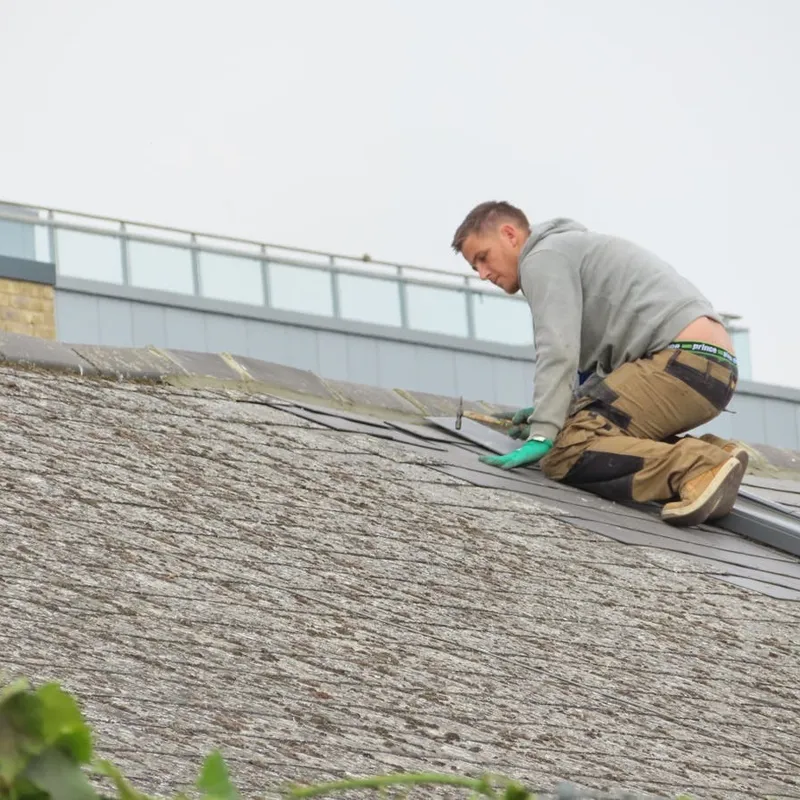
It’s one of the most common questions homeowners ask: can you actually walk on roof tiles without breaking them? The short answer is yes - but only if you know exactly where to step, how to distribute your weight, and which tiles can handle it. The more important answer is that unless you’re a trained professional with the right safety equipment, you shouldn’t be walking on your roof at all.
Let’s cover both sides - how it’s done properly, and why you should leave it to the professionals.
How to Safely Walk on a Tiled Roof
- Step on the bottom third of each tile, the section closest to the gutter, where it sits directly over a solid batten.
- Never step on the crown, the raised centre of the tile, which is unsupported and the number one place tiles crack.
- Walk along the overlapping side laps where two layers of tile give you better support.
- Distribute your weight and move smoothly, stepping heel-first and rolling onto the ball of your foot rather than stomping flat.
- Wear soft-soled shoes with good flex and grip, not hard-soled work boots.
- Test older or suspect tiles before committing your weight, a tile that rocks or sounds hollow may already be cracked.
- Move slowly and place every step deliberately, especially on old terracotta or sun-damaged tiles.
The far bigger risk is falling, so unless you have proper edge protection, fall-arrest gear and training, leave roof access to a licensed professional.
How Professionals Walk on Tile Roofs
Roofers walk on tile roofs every day without breaking them. It’s not because tiles are indestructible - they’re not. It’s because trained roofers understand the structural dynamics of how tiles sit on battens, and they place every step deliberately.
Step on the Bottom Third of the Tile
This is the fundamental rule. The bottom third of each tile - the section closest to the gutter - sits directly over the batten below it. The batten is a solid timber support spanning across the rafters. When you step on this section, your weight transfers through the tile into the batten and then into the roof structure. The tile isn’t bearing the load - it’s just the surface you’re standing on.
The top section of the tile, by contrast, is unsupported. It bridges the gap between battens with nothing underneath except air. Step there, and the tile is acting as a cantilever with your full body weight on it. That’s when tiles crack.
Never Step on the Crown
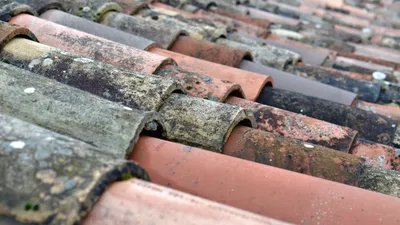
The crown of the tile - the raised centre section on profiled tiles like the common Marseilles pattern - is the weakest point. It’s curved, unsupported, and thin. Stepping on the crown concentrates your weight on a small area of ceramic that was never designed to bear load. This is the number one way tiles get broken by foot traffic.
Walk on the Overlapping Section
Where tiles overlap - the side lap where one tile sits over the next - you effectively have two layers of tile and better support. Experienced roofers use this overlapping zone as their preferred path across the roof.
Distribute Your Weight
Professionals never put all their weight on one foot in a single sudden step. They move smoothly, keeping their weight distributed, and avoid jerky or sudden movements. Stepping heel-first and rolling onto the ball of the foot, rather than stomping flat-footed, makes a significant difference to the force applied to each tile.
Test Before You Trust
On older roofs, professionals will gently test a tile before committing their weight. A tile that moves, rocks, or makes a hollow sound when tapped may already be cracked or unsupported. Stepping on it with full weight will finish it off.
Why Amateur Foot Traffic Breaks Tiles
When homeowners, painters, antenna installers, or other trades walk on tile roofs without understanding these principles, tile damage is almost inevitable. Here’s what goes wrong:
Wrong Step Placement
Without knowing the batten spacing and tile profile, people step wherever feels natural - which is usually on the crown or the middle of the tile. Both positions are the worst possible places to put your weight.
Too Much Weight on Single Tiles
Untrained people tend to walk normally - one foot in front of the other, full body weight on each step. On the ground, this is fine. On a tiled roof, it means repeatedly loading individual tiles with 70-100 kg of force in an area the size of your shoe sole.
Carrying Materials
Tradies carrying tools, paint buckets, or equipment up onto a roof significantly increase the load on each step. A 90 kg person carrying a 20 kg tool bag is putting 110 kg through each footstep. If that footstep lands in the wrong spot, tiles crack.
Shoes Matter
Hard-soled work boots concentrate force on small areas and have poor grip on dusty tiles. Professional roofers typically wear soft-soled shoes with good flex and grip. The shoe sole moulds around the tile profile rather than pressing on a single point.
Moving Too Quickly
Speed is the enemy on tile roofs. Walking quickly means less control over foot placement and more impact force with each step. Professionals move methodically and place every step with purpose.
Which Tiles Are Most Fragile?
Not all tiles are equal. Some are robust enough to handle reasonable foot traffic, while others crack if you look at them wrong.
Old Terracotta Tiles
Terracotta tiles that have been on a Perth roof for 40-60 years have endured decades of UV exposure, thermal cycling, and moisture absorption. They become increasingly brittle with age. Original terracotta tiles from the 1960s and 70s are often so fragile that even professional roofers break a few during restoration work, despite perfect technique.
The problem is compounded by the fact that exact replacement tiles for many of these older profiles are no longer manufactured. Breaking one may mean searching salvage yards for a match or accepting a visible difference.
Sun-Damaged Concrete Tiles
Concrete tiles are generally tougher than terracotta, but Perth’s intense UV still takes its toll over time. The surface deteriorates, the tile becomes more porous, and repeated wet-dry cycles weaken the concrete. Tiles on north and west-facing sections get the worst of it and become noticeably more fragile than tiles on the southern slope of the same roof.
Thin Profile Tiles
Some tile profiles are inherently weaker than others. Flat tiles and thin-profile tiles have less structural rigidity than heavily profiled tiles like the Marseilles pattern. The curved profile of a Marseilles tile acts like an arch, giving it strength. A flat tile has no such advantage - it relies entirely on the material strength and thickness.
Tiles With Existing Cracks
Hairline cracks from previous impacts, thermal movement, or age significantly weaken tiles. A tile with an existing hairline crack may support its own weight and light wind loads just fine but fail immediately under the concentrated force of a footstep.
Replacement and Mismatched Tiles
Replacement tiles that don’t sit perfectly on the existing battens can rock or sit slightly proud. These tiles are more vulnerable because they’re not fully supported by the batten in the way the original tiles were.
The Real Risk: Falling
Here’s the thing that matters far more than broken tiles - the risk of falling off the roof and being killed or seriously injured.
In Australia, falls from height are consistently one of the leading causes of workplace fatalities, and a significant proportion of serious injuries and deaths happen to people working on or falling from roofs. This isn’t limited to construction workers. Homeowners cleaning gutters, retrieving balls, adjusting antennas, or inspecting their roofs are seriously injured and killed every year.
A single-storey Perth home typically has a roof height of about 4 metres at the gutter line. A fall from that height onto concrete or paving is enough to cause fatal head injuries, spinal cord injuries, and multiple fractures. Two-storey homes push the fall height to 6-7 metres.
Why DIY Roof Access Is Dangerous
Tile roofs are slippery. Dusty tiles in summer, damp tiles in winter, lichen-covered tiles any time of year - the traction on a tile roof is unreliable. Soft-soled shoes help, but they don’t eliminate the risk.
Pitched surfaces change your balance. Walking on a 22-degree pitch (standard for most Perth tiled roofs) feels dramatically different from walking on flat ground. Your centre of gravity shifts, and a stumble that would be nothing on flat ground sends you sliding toward the edge.
There’s nothing to grab. On a roof, there are no handrails, no edges to grab, no safety features. If you lose your footing, there’s nothing between you and the ground.
Edge protection doesn’t exist on residential roofs. Professional roofers use temporary edge protection systems - scaffolding, guardrails, or static line systems - that prevent falls. None of this is present when a homeowner climbs a ladder onto their roof.
What Professionals Use
Licensed roofing contractors working at height are required to have:
- Edge protection or fall arrest systems - physical barriers at the roof edge, or harness systems that arrest a fall before impact
- Proper ladder access - industrial ladders correctly set up, often with a second person footing the ladder
- Non-slip footwear - purpose-designed for roof work
- Training - Working at Heights certification that covers hazard identification, equipment use, and emergency procedures
- Insurance - public liability and workers’ compensation coverage
This equipment and training exists because roofs are genuinely dangerous workplaces. The fact that professionals need all of this should tell you something about the risk involved in casual DIY roof access.
Liability if Someone Is Injured on Your Roof
This is an aspect most homeowners don’t consider. If you ask a friend, neighbour, or unlicensed handyman to go onto your roof and they’re injured, you may bear significant liability.
If the person doing the work isn’t a licensed contractor with their own insurance, and they’re injured on your property, your home insurance may or may not cover the claim - and you could be personally liable for medical expenses, lost income, and damages.
Even if you do the work yourself and are injured, your home insurance typically won’t cover your medical expenses or income loss from a DIY roofing injury. Medicare covers the hospital visit, but not the six months off work with a broken back.
Licensed roofing contractors carry their own public liability insurance and workers’ compensation. If a professional roofer is injured on your roof, their insurance covers it - not yours. That’s one of the most practical reasons to use licensed professionals for any roof work.
When You Need a Professional Up There
The situations where homeowners are tempted to get on the roof are usually situations where a roofer should be called:
- Retrieving items from the roof - a ball or frisbee isn’t worth a spinal injury
- Cleaning gutters - use a ground-level gutter cleaning tool or hire someone with proper equipment
- Inspecting damage - use binoculars from the ground, or have a roofer inspect
- Adjusting antennas or dishes - call the antenna installer
- Pressure cleaning - the combination of a pressure washer, wet tiles, and height is extremely dangerous for untrained people
- Minor repairs - even “just replacing one tile” means working at height without protection
Any legitimate concern about your roof can be addressed from the ground (binoculars work surprisingly well for visual inspections) or by calling a licensed roofer who carries the right equipment, insurance, and training.
The Bottom Line
Can you walk on roof tiles without breaking them? Yes - if you know exactly where to step, how to move, and which tiles can handle it. Professional roofers do it every day using techniques developed over years of experience.
Should you walk on your roof tiles? No. The risk isn’t really about breaking tiles - tiles can be replaced. The risk is falling from height and suffering a serious or fatal injury. No amount of YouTube tutorials or careful stepping changes the fundamental fact that residential roofs are dangerous places to be without proper safety equipment.
If you need your roof inspected, cleaned, repaired, or restored, call a licensed roofing contractor who carries the right equipment and insurance, or get a free quote online. It’s not a matter of skill or courage. It’s a matter of not taking unnecessary risks with outcomes that can’t be undone.


 Licensed
  Fast Response
