
5 min read
Perth’s coastline stretches from Two Rocks in the north to Mandurah in the south, and thousands of homes sit within a few kilometres of the ocean. Living near the coast is one of Perth’s great lifestyle advantages - but it’s tough on roofs.
Salt spray, strong winds, and marine humidity create conditions that accelerate roof deterioration significantly compared to inland suburbs. If you own a coastal Perth home, here’s what you need to know.
The Salt Spray Problem
Salt spray is the primary threat to coastal roofs. Airborne salt crystals travel surprisingly far inland - significant salt deposition occurs within 1 km of the coast, and moderate levels can reach 5-10 km inland depending on wind patterns.
What salt does to your roof:
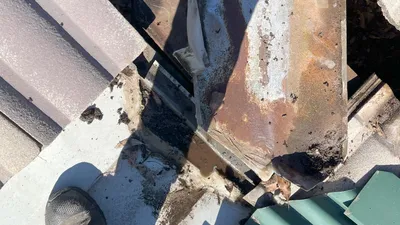
Metal components rust faster. Salt accelerates oxidation dramatically. Metal roofing, valley trays, flashings, gutter brackets, and screws all corrode at 3-5 times the rate of the same components in inland suburbs like Midland or Armadale.
Coatings break down sooner. Salt crystals are abrasive and hygroscopic (they attract moisture). This combination wears through roof coatings faster than UV exposure alone.
Electrical connections corrode. If you have solar panels, antennas, or satellite dishes on your roof, the electrical connections and mounting hardware are vulnerable to salt corrosion.
Wind Exposure
Coastal Perth homes - particularly in suburbs like Scarborough, Trigg, Hillarys, and Rockingham - face stronger and more consistent winds than inland homes. The afternoon Fremantle Doctor sea breeze is a Perth institution, but it’s also a constant force on your roof.
Sustained wind exposure:
- Loosens ridge caps and tiles over time
- Drives rain horizontally under tiles (wind-driven rain penetration)
- Accelerates coating wear on windward faces
- Stresses fixings and fasteners through vibration
Corrosion Hot Spots
Some parts of a coastal roof are more vulnerable than others:
Valleys
Metal valley trays on coastal homes are particularly at risk. Salt-laden water runs through valleys during rain, and salt residue remains after the water evaporates. This creates persistent corrosion conditions. We’ve seen valley trays in Scarborough rust through in 15 years when the same product lasts 30+ years in Kalamunda.
Gutters and Downpipes
Coastal gutters accumulate salt between rain events. Combined with any trapped moisture from blocked sections, this creates aggressive corrosion conditions. Check your gutters more frequently if you live within 2 km of the coast.
Roof Screws
On metal roofs, the screws that fix sheeting to battens are a weak point. The screw head, the rubber washer, and the hole in the sheeting are all vulnerable to salt corrosion. Corroded screws can fail, leaving sheets loose and prone to wind lift.
Flashings
Lead and zinc flashings corrode in salt environments. Modern Colorbond flashings perform better, but even these have cut edges that are more corrosion-prone than factory-finished surfaces.
Maintenance Schedule for Coastal Homes
Coastal roofs need more frequent attention than inland roofs. Here’s a recommended schedule:
Every 6 Months
- Hose down the roof (or at least the valleys and gutters) with fresh water. This washes off accumulated salt deposits before they cause damage.
- Clear gutters of debris and salt buildup
- Check downpipe flow
Annually
- Inspect metal components for early signs of rust - valleys, flashings, gutters, screws
- Check ridge pointing for cracks or gaps
- Examine the roof coating for wear, particularly on the ocean-facing side
- Inspect solar panel mounting hardware if installed
Every 3-5 Years
- Professional roof inspection with focus on corrosion points
- Touch-up painting of any rust spots on metal components (treat early, before they spread)
- Check structural fixings - screws, clips, and brackets
Material Choices for Coastal Perth
If you’re building, replacing, or restoring a roof in a coastal area, material choices matter more:
Metal Roofing
Use Colorbond Ultra rather than standard Colorbond. The Ultra range has additional anti-corrosion layers specifically designed for coastal environments. The warranty on Colorbond Ultra extends further in marine zones.
Tile Roofing
Tiles themselves are largely unaffected by salt - concrete and terracotta are inherently corrosion-resistant. However, the metal components (valleys, flashings, gutters) still need the same attention.
Fasteners
Specify stainless steel or marine-grade fasteners for any roofing work on a coastal home. Standard galvanised screws and nails will corrode far sooner. The additional cost of marine-grade fixings is minimal compared to the cost of replacing corroded ones.
Coatings
Choose premium roof coatings with salt-resistance properties. Budget coatings that perform acceptably inland may fail within a few years in a marine environment. Dulux Acratex and similar premium systems are formulated for harsh environments.
The Fresh Water Wash
One of the simplest and most effective things you can do for a coastal roof is wash it with fresh water regularly. This dissolves and removes accumulated salt crystals before they cause damage.
You don’t need to pressure wash - a garden hose from ground level, spraying water onto the roof, is sufficient. Focus on:
- Valley channels
- Gutter lines
- The windward (ocean-facing) side of the roof
- Around any metal components
Doing this every few months, particularly after periods of strong onshore winds, significantly extends the life of your roof components.
Insurance Considerations
Some insurance policies have different terms for properties in marine zones. Check your policy for:
- Exclusions related to salt corrosion or gradual marine degradation
- Requirements for maintenance in coastal environments
- Any additional premiums for coastal location
Maintaining your roof to a high standard in a coastal area strengthens any insurance claim you might need to make. Insurers can argue “lack of maintenance” more convincingly for a coastal home where salt corrosion is a known risk.
The Bottom Line
Living near the Perth coast means your roof works harder than one in the eastern suburbs. The key is awareness and a slightly more proactive maintenance approach. Regular hosing, more frequent inspections, and using marine-appropriate materials when roof repairs or roof restoration are needed will keep your coastal roof performing for decades.
The extra effort is modest. And when you look out at the ocean from your well-maintained home, it’s absolutely worth it.

 Licensed
  Fast Response
