7 min read
If you’re building a new home in Perth, replacing an old roof, or just curious about the differences, the choice between Colorbond metal roofing and tile roofing is one of the biggest decisions you’ll make.
Both are excellent options in Perth’s climate. Neither is universally “better” - the right choice depends on your priorities, budget, and the style of home you want. Let’s break down the differences honestly.
Colorbond vs Tile at a Glance
| Factor | Colorbond | Tile |
|---|---|---|
| Upfront cost | $60-$90/m² | Cheaper: $40-$60/m² concrete, $55-$80/m² terracotta |
| Lifespan | 40-70 years | 40-60 years concrete, 75-100+ years terracotta |
| Maintenance | Lower ongoing | Higher: repointing, tile replacements |
| Storm and wind | Better, fixed continuously | Tiles can lift in severe storms |
| Hail | Dents and can crack the coating | More resilient |
| Rain noise | Louder | Quieter |
| Weight | Light: 5-7 kg/m² | Heavy: 45-50 kg/m² |
Over a 50-year period, total costs work out roughly comparable for both. The sections below explain each factor in detail.
Cost Comparison
Upfront Cost
Tile roofing is typically cheaper to install than Colorbond. For a standard Perth home:
- Concrete tiles: $40-$60 per square metre (material and installation)
- Terracotta tiles: $55-$80 per square metre
- Colorbond: $60-$90 per square metre
The difference narrows when you factor in the heavier framing required for tiles (they weigh 5-10 times more than metal), but tiles generally win on upfront cost.
Long-Term Cost
This is where it gets more nuanced:
- Tile roofs need periodic repointing (every 15-25 years), tile replacements, and eventually a full restoration or re-coating. Over 50 years, maintenance costs add up.
- Colorbond roofs need less ongoing maintenance but will eventually need repainting (every 15-20 years) and may need screw replacements. They’re also more susceptible to dent damage from hail.
Over a 50-year period, total costs are roughly comparable for both.
Durability and Lifespan
Concrete tile roofs - 40-60 year lifespan for the tiles themselves, though the coating needs refreshing every 15-20 years.
Terracotta tile roofs - 75-100+ year lifespan. Terracotta is one of the most durable roofing materials available. Many Perth homes from the 1920s-1950s still have their original terracotta tiles.
Colorbond metal roofs - 40-70 year lifespan depending on the environment. Coastal properties may see shorter lifespans due to salt corrosion. The paint finish typically lasts 15-25 years before needing renewal.
Winner: Tile roofs, particularly terracotta, last longer overall. But both will outlast most mortgages.
Performance in Perth’s Climate
Heat
Tiles are better at insulating against heat. The mass of a tile roof absorbs heat slowly and releases it slowly, creating a thermal buffer. The air gap between tiles and the sarking also helps.
Metal heats up quickly and transfers heat into the roof cavity rapidly. However, modern Colorbond Thermatech colours are designed to reflect more solar heat, and proper insulation largely eliminates this disadvantage.
In practice, with good insulation and ventilation, neither option is significantly better or worse for keeping your home cool.
Storms and Wind
Colorbond wins here. Metal roofing is fixed continuously along its length and is far more wind-resistant than tiles. In severe storms, tiles can lift and become dangerous projectiles.
Modern tile roofs use wire-tied or clipped tiles which are much more wind-resistant than older mortar-bedded installations, but metal is inherently more secure against wind uplift.
Hail
Tiles win on hail resistance. Concrete and terracotta tiles handle hail better than metal sheeting. Hail dents Colorbond and, in severe cases, can crack the paint coating leading to rust spots. Tiles may crack under very large hailstones but are generally more resilient.
Rain Noise
Tiles are quieter. Heavy rain on a metal roof is noticeably louder than on tiles. Insulation reduces this, but tiles have a clear advantage for noise comfort during Perth’s winter downpours.
Aesthetics and Style
This is subjective, but there are some practical points:
Tile roofs suit traditional, heritage, and Mediterranean-style homes that are common across Perth’s older suburbs. Terracotta tiles in particular give a warm, classic appearance that suits the Perth aesthetic.
Colorbond suits contemporary, modern, and industrial-style homes. It’s available in a wide range of colours and can achieve clean lines that tiles can’t. It also works better on low-pitch roofs where tiles aren’t suitable.
Colour range:
- Colorbond offers 22+ standard colours plus the Matt range
- Concrete tiles can be painted any colour during restoration
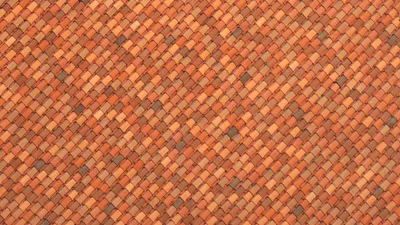
- Terracotta tiles come in a range of earth tones
Maintenance Requirements
Tile Roof Maintenance
- Ridge capping repointing every 15-25 years
- Individual tile replacements as needed (cracked, broken, or slipped)
- Roof coating/painting every 15-20 years
- Valley and flashing maintenance
- Gutter cleaning
Colorbond Maintenance
- Gutter cleaning
- Screw inspection and replacement as needed
- Repainting every 15-20+ years
- Checking for rust spots, particularly at scratches or cut edges
- Flashing maintenance
Colorbond generally requires less ongoing maintenance than tiles, mainly because there’s no pointing or individual tile concerns.
Weight Considerations
This matters more than people think:
- Concrete tiles: approximately 50 kg per square metre
- Terracotta tiles: approximately 45 kg per square metre
- Colorbond: approximately 5-7 kg per square metre
The weight difference means:
- Tile roofs need significantly heavier framing (rafters, battens, trusses)
- Adding tiles to a structure designed for metal may require engineering assessment
- Metal roofing puts less stress on the overall building structure
- Metal is better suited to large-span buildings and additions
If you’re replacing an existing tile roof, you can switch to Colorbond without structural concerns. Going the other direction - tiles onto a structure designed for metal - usually requires engineering assessment and potentially framing upgrades.
Solar Panel Compatibility
Both roof types work well with solar panels, but there are differences:
Metal roofs make solar installation easier and cheaper. Panels can be mounted using clamps that attach directly to the standing seams or ribs without any roof penetrations. This means no risk of leaks from panel mounting.
Tile roofs require brackets that are mounted under tiles to the battens. This involves lifting tiles, which adds complexity and cost to the installation. Some older tiles can crack during panel installation.
Which Should You Choose?
Choose tiles if:
- You value quietness during rain
- You prefer a traditional or Mediterranean aesthetic
- Your home already has tile framing
- You want maximum longevity (especially terracotta)
- Budget is a primary concern (concrete tiles)
Choose Colorbond if:
- You’re building contemporary or modern
- You want lower ongoing maintenance
- Storm and wind resistance is important to you
- You’re planning solar panels
- You have a low-pitch roof design
- Weight is a concern (second storey additions, large spans)
Already Have a Tile Roof? Restoring It Often Beats Replacing It
A lot of people searching for “replacing my tile roof with Colorbond” don’t actually have a failed roof. They have a tired-looking one. If your tiles are structurally sound (not widely cracked or crumbling), you usually don’t need to tear the whole roof off and start again.
A full roof restoration (a high-pressure clean, re-pointing the ridge caps, replacing the odd broken tile, then a three-coat Dulux Acratex roof coating in the colour you want) typically costs a fraction of a complete tear-off and Colorbond re-roof, and it’s done in days, not weeks. You keep the character and quietness of a tile roof, you get a fresh modern colour and a 15-year coating warranty, and there’s none of the mess or cost of removing and disposing of the old roof and re-sheeting the frame.
When does Colorbond genuinely make more sense? If the tiles themselves are failing, the roof is leaking through cracked tiles across the board, or you’re chasing the lightest possible roof for a second-storey addition, that’s a real re-roof case, and Colorbond is a great product for it.
If you’re not sure which camp your roof is in, that’s exactly what an online quote is for. We assess your roof remotely from satellite and aerial imagery, no site visit needed, with a paid on-site inspection available if yours is a genuine borderline case, and we’ll tell you honestly whether it’s a restore or a replace.
Both Are Excellent Choices
Perth homes perform well with either roofing type. Both can last decades with proper maintenance, both look great when well-maintained, and both handle Perth’s climate effectively.
The “right” choice comes down to your home’s architectural style, your maintenance preferences, and your budget. Either way, the key to a long-lasting roof is quality installation and regular maintenance, regardless of the material on top. Thinking about a new roof, or restoring the one you’ve got? Get a free quote online.
 Licensed
  Fast Response
