5 min read
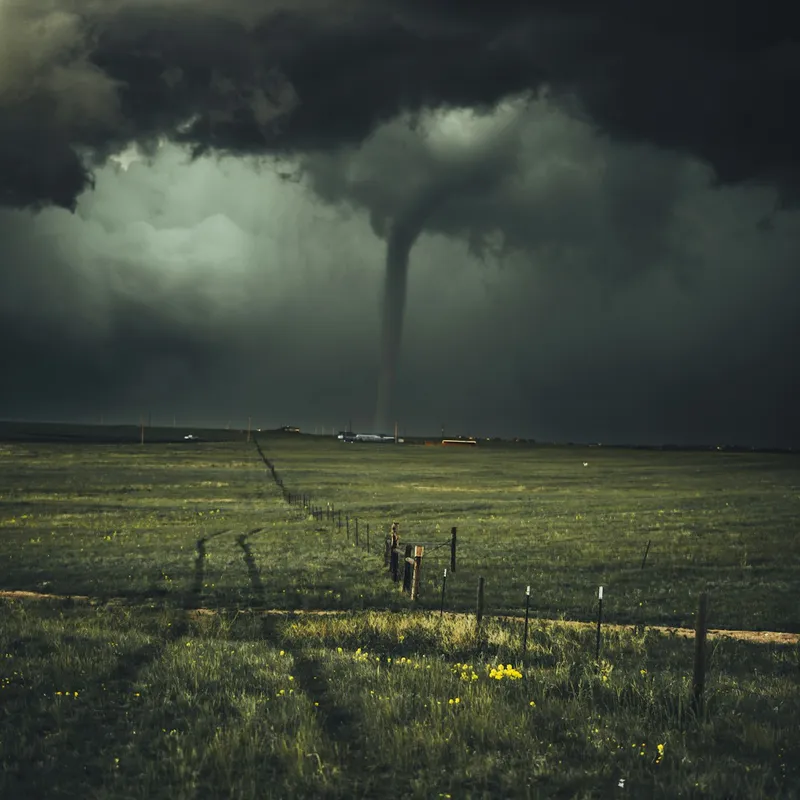
It’s the question every homeowner asks during a roof restoration: “What if it rains?” Perth’s weather is generally kind to roof painting - we get long dry stretches, especially in summer and autumn - but rain can roll in unexpectedly, and the timing matters.
Here’s what you need to know about paint curing times and rain.
The Short Answer
Modern acrylic roof coatings need a minimum of 2-4 hours of dry weather after application before light rain won’t damage them. For full cure and maximum durability, 24-48 hours of dry conditions is ideal.
But there’s more nuance to it than a single number.
Touch Dry vs Fully Cured
There’s an important difference between these two stages:
Touch Dry (1-2 hours)
The paint surface feels dry to touch and has formed a skin. At this point, light foot traffic won’t damage it, but the coating underneath is still soft and hasn’t fully bonded to the surface.
Rain-Safe (2-4 hours)
After 2-4 hours in good conditions (warm, low humidity, some airflow), the coating has hardened enough that light rain will run off without damaging it. This is the minimum window we plan around.
Fully Cured (24-48 hours)
The coating has reached its full hardness, adhesion, and water resistance. This is when the paint achieves its rated performance - the durability, UV resistance, and flexibility that the manufacturer specifies.
What Affects Curing Time
Temperature
Paint cures faster in warmer conditions. Perth’s climate is generally ideal:
- Above 25°C - curing is fast, typically 1-2 hours to rain-safe
- 15-25°C - standard curing, 2-4 hours to rain-safe
- Below 15°C - curing slows significantly. Below 10°C, most acrylic paints shouldn’t be applied at all
This is why we rarely paint roofs in the middle of Perth’s winter - not because of rain alone, but because cool mornings slow curing and increase the risk window.
Humidity
High humidity slows water evaporation from the paint film, extending curing time. Perth is generally dry (30-50% humidity on most days), which is one reason roof painting results here are so good. On rare high-humidity days (above 80%), we may delay painting until conditions improve.
Wind and Airflow
Gentle airflow accelerates curing by carrying moisture away from the paint surface. This is why even on cooler days, a light breeze can make conditions acceptable for painting.
Coat Thickness
Thicker coats take longer to cure. This is why we apply two controlled topcoats rather than one heavy coat - each coat cures properly before the next is applied.
What Happens If It Rains Too Soon?
Light Rain After 2+ Hours
Usually fine. The coating has skinned over and light rain will bead on the surface. You might see minor water marks that disappear once the coating fully cures. No structural damage to the paint system.
Heavy Rain After 2+ Hours
The coating should survive, but heavy rain can create wash marks or slight texture changes in the surface. These are cosmetic and don’t affect the paint’s protective performance.
Rain Within 1-2 Hours
This is the danger zone. Rain hitting uncured paint can:
- Wash pigment and binder off the surface (you’ll see coloured water running off the roof)
- Create a milky or cloudy appearance (called “blooming”)
- Reduce adhesion to the surface underneath
- Require the affected area to be re-cleaned and repainted
Rain Before Primer Has Cured
This is worse than rain on topcoats because the primer is the bonding layer between the tile and the paint system. If primer is washed off or compromised, the entire system above it can fail. We’re very careful about weather windows for primer application.
How We Manage the Risk
Weather management is a core part of what we do. Here’s our approach:
We Check Forecasts Obsessively
Before every paint day, we check the Bureau of Meteorology forecast, radar, and hourly predictions. We won’t start a paint coat if rain is expected within 4 hours.
We Paint Early
In Perth, mornings are typically dry with rain (when it comes) more likely in the afternoon and evening. We start painting at first light to maximise the curing window before any afternoon weather.
We Adjust the Schedule
If rain is forecast for Wednesday, we’ll do prep work, cleaning, or repairs on Wednesday and save painting for Thursday when it’s clear. Your restoration might take an extra day, but the result will be right.
We Use Quality Products
Premium acrylic roof coatings (like Dulux Acratex) have faster curing times and better early rain resistance than cheap paints. This isn’t marketing - the formulation genuinely matters for weather tolerance.
We Know When to Stop
If conditions change mid-day - an unexpected cloud front rolls in, humidity spikes, temperature drops - we stop painting. It’s better to wait than to risk a coat that might not cure properly.
Planning Your Restoration Around Weather
The best months for roof painting in Perth:
- October to April - warm, dry, long days. The prime window.
- March to May - excellent. Cooler than summer but still dry and warm enough for fast curing.
- June to August - possible but weather-dependent. We schedule around dry windows and avoid painting on cold mornings.
When you book with us, we’ll give you a realistic timeline that accounts for weather. If we need to pause for a day due to unexpected rain, we’ll let you know and reschedule - no extra charge.
The Bottom Line
A few hours of dry weather after painting is all that’s needed. Perth’s climate makes it one of the best cities in Australia for roof painting - long dry seasons, moderate humidity, and warm temperatures mean fast curing and excellent paint performance. We manage the weather risk so you don’t have to worry about it as part of every roof painting job.
Thinking about repainting your roof? Get a free quote and we’ll plan the work around the weather for you.
 Licensed
  Fast Response
