5 min read
One of the first questions people ask when they book a roof restoration is simply: how long is this going to take? Fair enough - you want to know how many days there’ll be people on your roof, and when you’ll have your home back to normal.
The honest answer is that most roofs take 2 to 3 work days; larger or two-storey roofs can take longer, and your quote states the number of days. The days are usually not back to back, because repairs and coatings need time to cure and dry. We get in touch a day or so before each visit. Here’s how the days break down - and what can make a job quicker or longer.
The Typical Timeline
This is for an average single-storey tile roof in good weather. Metal roofs are simpler: cleaning and coating only, with no repair day. (For the detail of what happens at each stage, see our step-by-step restoration process.)
On a tile roof the order is always the same: broken tiles are replaced before the clean (we never clean over broken tiles), then the clean, then the remaining repairs such as ridge repointing, then the coating.
Cleaning day - tile replacement and high-pressure clean
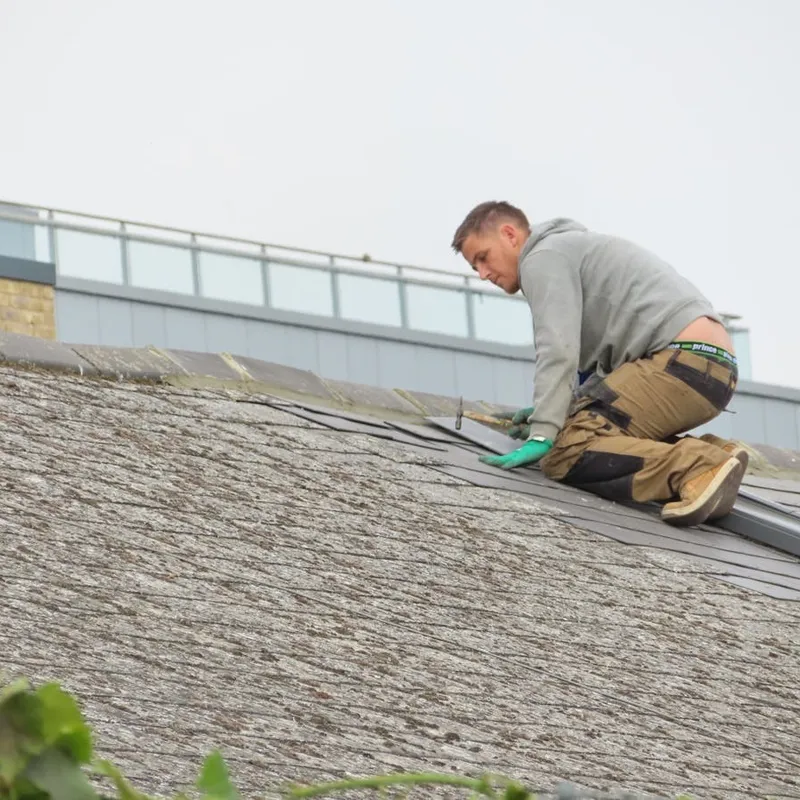
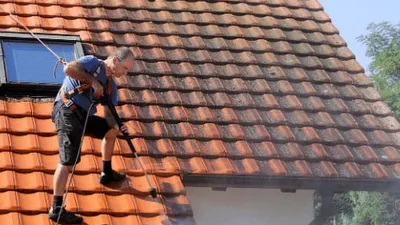
On a tile roof the crew first replaces broken and slipped tiles, then high-pressure cleans the whole roof to strip off moss, lichen, dirt and old chalked coating. We need your outdoor water tap for this - we don’t bring our own water. It’s the messiest, most physical day - and often the most satisfying, because a filthy roof suddenly looks transformed. The roof then needs to dry out fully before anything else goes on.
Repair day (3-day tile jobs only) - ridge caps and other repairs
With the roof clean and dry, the crew carries out the remaining repairs and re-points the ridge and hip caps with flexible pointing - sealing the roof’s most leak-prone joints. On a 2-day job, tile replacement, cleaning and these repairs all happen on the first visit and the second visit is the coating, so there’s no separate repair day.
Coating day (final) - primer, membrane and top coats
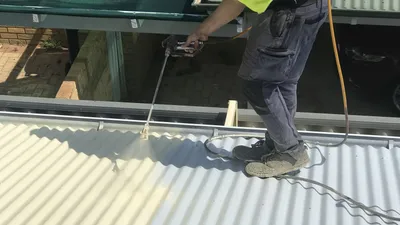
A primer or sealer goes on first to bind the surface, followed by the protective membrane and the colour coats, usually by spray for an even finish. The crew then does a final tidy-up of your gutters and grounds, and the job’s complete. We need a power outlet for this day - we don’t bring our own power.
Why the Days Aren’t Back to Back
The hands-on work is only part of the story. Coatings need curing time between layers, and you can’t rush that without compromising the finish and the warranty. So a 2 to 3 day job might span a week or more on the calendar once you factor in drying time - and that’s normal and correct, not a sign anyone’s dragging their feet.
What Can Make It Quicker
- A smaller or simpler roof - a compact single-storey with little ridge line can be done faster.
- A roof that only needs a clean and repoint (no coating) - often just one to two days.
- Good, dry, mild weather - the ideal conditions for fast curing.
What Can Stretch It Out
- Rain. This is the big one in Perth. You can’t clean-and-dry or coat a roof in the wet, and you can’t coat if rain’s forecast before it cures. A wet week pushes everything back - see how long after roof painting it can rain.
- Two-storey or steep roofs. Extra access, scaffolding and safety setup add time.
- Lots of repairs. A roof needing dozens of replacement tiles or full valley replacement takes longer before coating even starts.
- Heavy moss or old cement pointing that has to be cut out and redone.
- Larger homes. More square metres, more days.
Do You Need to Be Home?
For most of it, no. The work is all outside, and you don’t need to take time off. It’s worth being contactable on the first visit in case the crew spots something during repairs that’s worth a quick chat about. Beyond that, you can carry on as normal - just expect some noise during the clean and repair stage, and keep cars out from under the work area.
Best Time of Year to Book
Because weather drives the timeline, late spring through autumn tends to give the cleanest run in Perth - warm, dry, stable conditions for fast curing. Winter restorations absolutely still happen, they just need a bit more flexibility around the rain. We cover this fully in the best time of year for roof work.
The Bottom Line
Plan for two to three working days of actual work, spread across a week or so to allow proper curing - longer for big, two-storey, steep or heavily-damaged roofs, and longer again if Perth’s weather doesn’t cooperate. A good roofer will give you a realistic window up front and keep you posted if the weather moves it. That clear, staged approach is how we run every roof restoration.
Want a timeline for your roof specifically? Get a free quote and we’ll walk you through what to expect.
 Licensed
 Fast Response

