4 min read
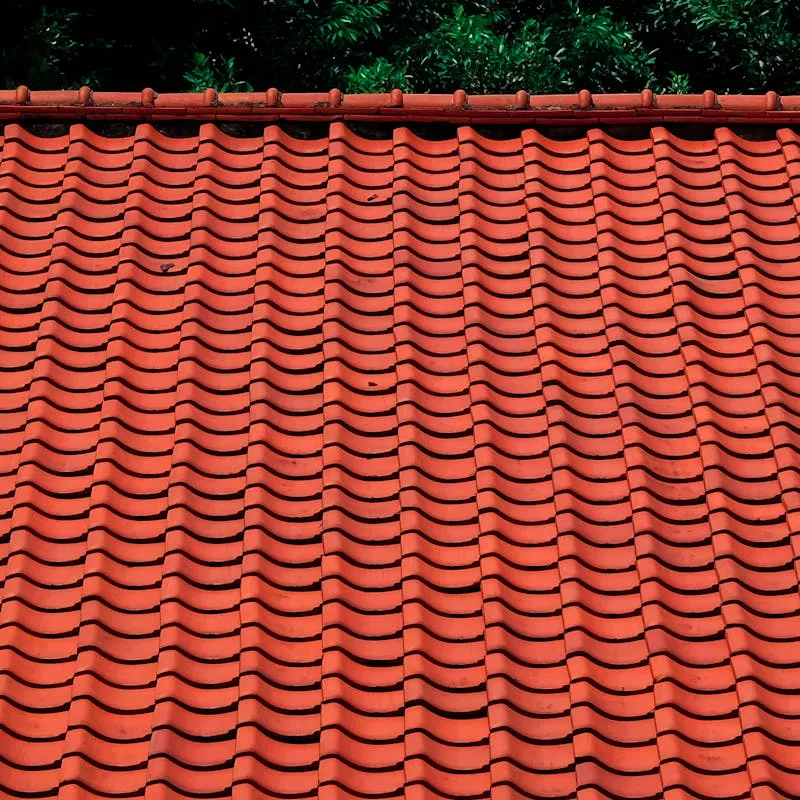
Perth is one of Australia’s hottest capital cities. We regularly see weeks of 35-40+ degree days through summer, and roof surface temperatures can reach 70-80 degrees during peak afternoon sun.
That kind of heat doesn’t just make your house uncomfortable - it slowly degrades your roof. Here’s how, and what you can do about it.
Thermal Expansion and Contraction
Every material on your roof expands when heated and contracts when it cools. In Perth, the temperature swing between a 42-degree afternoon and a 15-degree night means your roof materials are constantly moving.
Over years, this repeated expansion and contraction causes:
- Ridge pointing to crack and crumble - the cement-based flexible pointing along ridge caps is particularly vulnerable
- Tile surfaces to deteriorate - hairline cracks develop that allow moisture to penetrate
- Metal sheeting to fatigue - screw holes elongate slightly, loosening fixings
- Flashing seals to harden and crack - rubber and silicone sealants break down faster in heat
This is why Perth roofs need maintenance more often than roofs in cooler climates like Melbourne or Hobart.
UV Degradation of Roof Coatings
Perth receives some of the highest UV radiation levels in the world. This intense UV exposure breaks down the protective coatings on both tile and metal roofs.
On concrete tiles, the original factory coating fades and chalks. You’ll notice your roof colour becoming patchy, with a white powdery residue when you touch the surface. Once this coating fails, the porous concrete underneath absorbs water, leading to moss growth and accelerated deterioration.
On metal roofs, UV breaks down the paint layer. You’ll see fading, chalking, and eventually the primer coat becoming exposed. Once bare metal is exposed to moisture, rust begins.
Pointing and Bedding Failure
The mortar bedding and flexible pointing that hold ridge caps and hip caps in place are especially vulnerable to Perth’s heat.
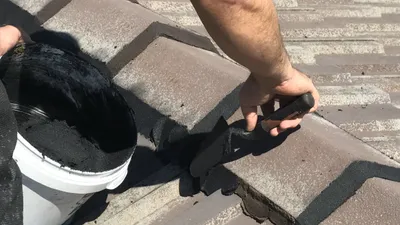
Traditional sand-and-cement bedding becomes brittle over time and cracks. Modern flexible pointing compounds last longer but still degrade under constant UV exposure and thermal cycling.
When pointing fails, it creates direct pathways for water to enter your roof space. This is one of the most common roof problems we see across Perth - and it’s almost entirely caused by heat exposure.
What Heat Does to Your Roof Timber
Extreme heat in the roof cavity affects the timber framing underneath. While timber won’t fail from heat alone, prolonged high temperatures can:
- Dry out timber, making it more susceptible to cracking
- Accelerate the breakdown of timber treatments
- Create conditions where any moisture ingress causes rapid mould growth (hot + damp = mould)
- Reduce the effectiveness of insulation over time
Good roof ventilation helps significantly - it allows hot air to escape the cavity rather than baking the timber all summer.
Colour Matters More Than You Think
Darker roof colours absorb significantly more heat than lighter ones. A dark charcoal roof can be 20-30 degrees hotter than a light-coloured roof in the same conditions.
If you’re having your roof repainted, consider a lighter colour - or at minimum, choose a paint with heat-reflective technology. Modern roof coatings like Dulux Acratex InfraCOOL are specifically designed to reflect infrared radiation, keeping your roof cooler and reducing thermal stress.
This also helps with energy bills. A cooler roof means your air conditioning doesn’t work as hard.
How to Protect Your Roof from Heat Damage
Regular inspections - Check your roof annually, ideally in autumn after summer. Look for cracked pointing, deteriorated coatings, and damaged tiles.
Maintain coatings - A well-maintained roof coating protects the substrate underneath. If your roof coating is failing, getting it repainted extends the life of the entire roof.
Ensure ventilation - Proper roof ventilation (whirlybirds, ridge vents, or eave vents) reduces cavity temperatures and protects timber framing.
Trim trees for shade - Strategic shade from established trees can reduce roof temperatures, but keep branches trimmed back so they don’t scratch the surface or block gutters.
Act on small issues early - A few cracked pointing sections are a quick, affordable repair. Ignore them for a few years and you’re looking at water damage, timber rot, and a much bigger bill.
The Bottom Line
Perth’s heat is unavoidable, but the damage it does to your roof is manageable - as long as you stay on top of maintenance. Most of the serious roof problems we see in Perth started as minor heat-related wear that was left unaddressed for too long.
An annual roof inspection and timely repointing are the best investment you can make in your roof’s longevity. Get a free quote if you’d like us to check where your roof stands after summer.
 Licensed
  Fast Response
