4 min read
If you’ve ever tried to buy a single replacement tile, you’ll know the first question you get asked is: “What tile is it?” - and most people have no idea. Knowing your roof tile’s material, profile and brand makes replacing broken tiles far easier, helps you understand what restoration your roof needs, and tells you roughly how old the roof is. Here’s how to work it out.
Step 1: Concrete or Terracotta?
This is the most important distinction, and you can usually tell from the ground or with one tile in hand.
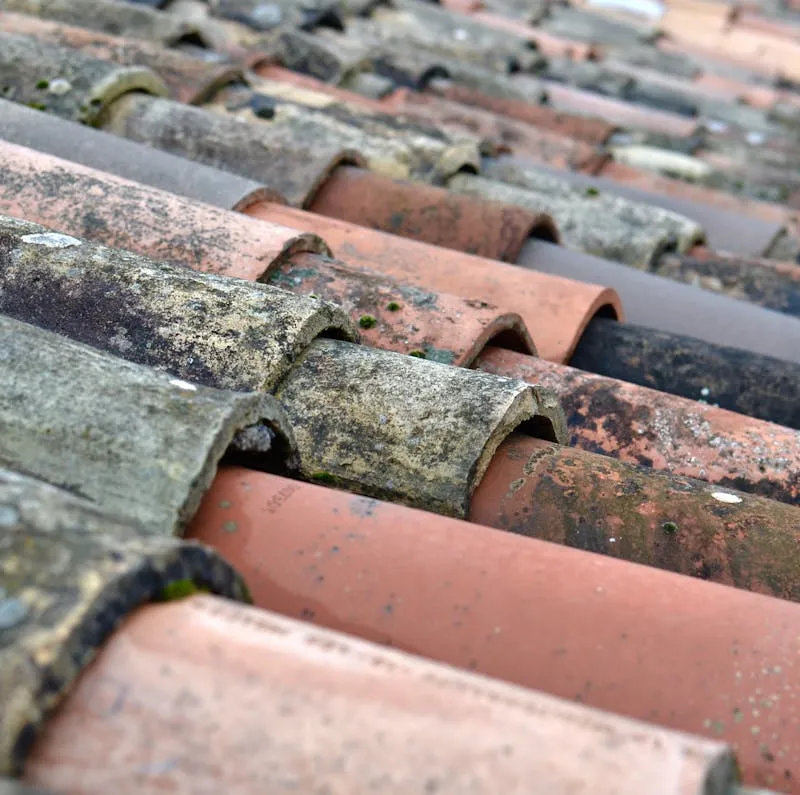
- Terracotta is fired clay. It’s typically a warm orange-red or brown, often has a glossy glaze on the surface, and rings with a higher “clink” when tapped. The colour goes through the whole tile. Common on Perth homes built up to the 1990s.
- Concrete is moulded cement. The colour is a surface coat painted on top, so where it’s chipped or worn you’ll see grey concrete underneath. It’s heavier, more matte, and makes a duller “thud” when tapped. Common from the 1980s onwards.
Why it matters: concrete tiles fade and genuinely benefit from re-coating; sound glazed terracotta often just needs cleaning. We unpack this fully in concrete vs terracotta tiles.
Step 2: Identify the Profile
The “profile” is the tile’s shape and contour. The main families you’ll see in Perth:
- Roman / double Roman - a flat section with one or two rolling ridges. Extremely common on Perth concrete roofs.
- Marseille (French pattern) - a distinctive interlocking pattern with twin grooves; very common on older terracotta roofs.
- Shingle / slimline / low-profile - flatter, more modern-looking tiles popular on newer homes.
- Swiss / Spanish (barrel) - deeper, more pronounced curves; less common locally.
The profile is what a supplier needs to match a replacement, so it’s worth photographing a tile side-on against the sky to capture its silhouette.
Step 3: Look for a Maker’s Mark
This is the goldmine if you can reach it safely (and only if you can - otherwise leave it to a roofer; see how to check your roof from the ground). Most tiles have the brand and sometimes a profile name stamped on the underside. Lift a spare tile from the garage, or have a look at one during any roof work.
Common brands on Perth roofs:
- Bristile - a major WA-made terracotta and concrete brand; very common locally.
- Wunderlich - older terracotta, often found on Federation and character homes.
- Monier - large national concrete and terracotta manufacturer.
- Boral - concrete tiles common on later homes.
- Marseille / Gladstone / Hallett - names you’ll see on older terracotta.
If you find a stamp, photograph it. That name plus the profile is usually all a supplier needs.
Step 4: Use the Age of the House
If you can’t get to a stamp, the build date narrows it down a lot:
- Pre-1960s: almost certainly terracotta - Wunderlich, Marseille pattern.
- 1960s-1980s: terracotta or early concrete; Bristile very likely.
- 1980s-2000s: mostly concrete - Monier, Boral, Bristile Roman profiles.
- 2000s onward: concrete or Colorbond metal; flatter modern profiles.
Why It Pays to Know
- Matching replacements. Many older profiles are discontinued, so identifying the exact tile early gives a roofer time to source reclaimed matches rather than leaving a mismatched patch. This is especially true on terracotta and heritage roofs.
- Knowing what your roof needs. Material tells you whether you’re looking at a clean-and-repoint or a full coated restoration.
- Avoiding the wrong advice. If a quote treats your sound glazed terracotta like a faded concrete roof that needs painting, knowing your tile lets you push back.
When You Can’t Tell
That’s fine - it’s literally part of our job. During any roof inspection we’ll identify the tile, material and profile, flag whether it’s a discontinued pattern, and tell you what matching replacements will involve. You don’t need to climb up to find out.
The Bottom Line
Concrete or terracotta, the profile shape, and a maker’s stamp on the underside - those three things identify almost any Perth roof tile. Photograph a spare tile from the side and underneath, note the home’s age, and you’ll have what you need to source replacements and understand your roof. And if it’s all a mystery, a quick inspection sorts it in minutes.
Need a tile matched or a roof assessed? Get an online quote - we assess your roof remotely from satellite and aerial imagery, with a paid on-site inspection available if needed.
 Licensed
  Fast Response
