10 min read
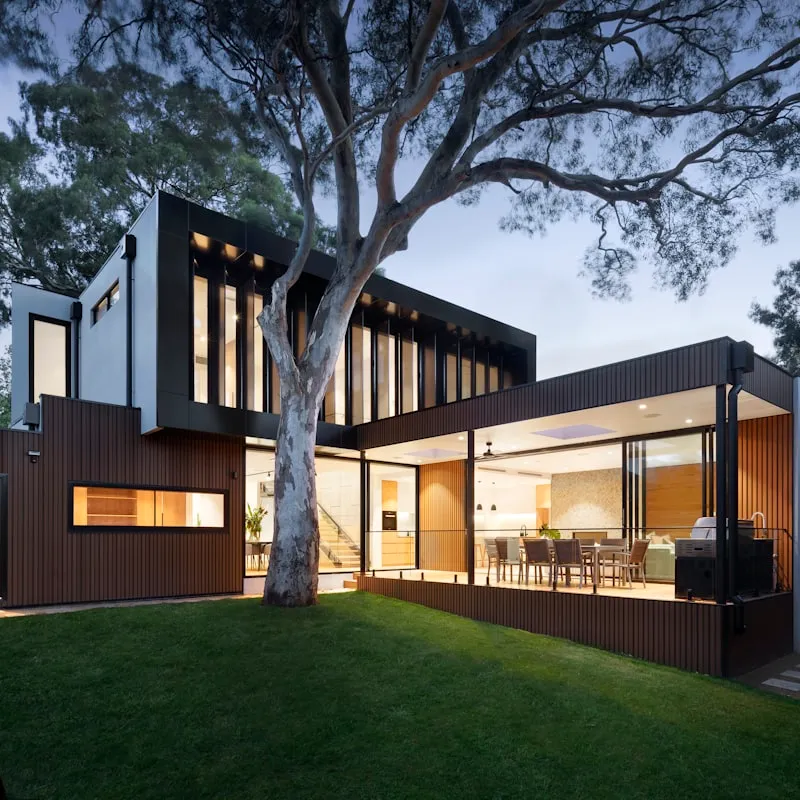
Perth homeowners love their trees. Mature eucalypts, jacarandas, and peppermints add shade, privacy, and character to a property. But when those trees overhang your roof, they’re causing damage - often in ways you won’t notice until the repair bill arrives.
Tree damage to roofs is one of the most common issues we see during inspections, and it’s almost always preventable. The problem is that trees work slowly. By the time you notice the moss, the blocked gutters, or the scratched coating, years of cumulative damage have already occurred.
Here’s exactly how overhanging trees damage your roof and what to do about it.
Branch Abrasion: Scratching Away Your Roof’s Protection
This is the damage most people never think about. When branches rest on or near your roof surface, even a light breeze causes them to drag across tiles or metal sheeting. Over time, this mechanical abrasion strips away the protective coating.
On concrete tiles, branches scratch through the acrylic membrane coat that protects the tile from water absorption. Once that coating is compromised, the bare concrete starts absorbing moisture with every rain event. That moisture leads to efflorescence, moss growth, and eventually tile degradation.
On Colorbond roofing, branches scratch through the paint system down to the bare zinc or steel. That scratch becomes a corrosion initiation point. In Perth’s climate - with UV, heat cycling, and coastal salt exposure for western suburbs - a single scratch can develop into visible rust within a couple of years.
The worst part is that this damage is gradual. You won’t hear it happening. But walk up on a roof where branches have been rubbing for five years and you’ll see clear wear lines on the tile or metal surface.
Leaf Litter: Gutters, Valleys, and Water Damage
This is the one most homeowners are aware of, but they underestimate how quickly it escalates.
Perth’s native trees shed constantly - eucalypts drop bark and leaves year-round, not just in autumn. A single mature marri or jarrah over your roofline can fill your gutters in weeks. And unlike deciduous trees that shed once and stop, Perth’s evergreen natives keep the debris coming all year.
What Happens When Gutters Block
Blocked gutters overflow. That water runs down your fascia boards, behind your gutters, and into your eaves. Over time this causes:
- Fascia rot - timber fascia boards stay wet and begin to decay
- Eave damage - water penetrates eave linings and enters the roof cavity
- Foundation issues - overflow water pools at the base of your walls instead of being directed to stormwater
What Happens When Valleys Block
Valley blockages are worse than gutter blockages because the consequences are more immediate. Valleys are the channels where two roof planes meet, and they handle enormous volumes of water during Perth’s heavy winter downpours.
When leaf debris dams a valley, water backs up under the tiles on either side. This sends water directly into your roof cavity. We see significant water damage every winter from blocked valleys - stained ceilings, wet insulation, even structural timber damage.
The frustrating part is that a valley can go from clear to blocked in a single storm. One gust of wind deposits a pile of leaves at the valley base, the next downpour can’t clear it, and water backs up within minutes.
Sap Staining and Chemical Damage
Eucalyptus sap is particularly aggressive. It contains oils and resins that bond to roof surfaces and are extremely difficult to remove once baked on by Perth’s sun.
On concrete tiles, sap creates dark stains that penetrate the coating surface. These stains don’t wash off with rain - they need chemical treatment or pressure cleaning to remove, and even then they can leave permanent marks if left too long.
On Colorbond, eucalyptus sap can chemically attack the paint system. The oils in the sap interact with the paint binder, causing discolouration and softening of the coating. Combined with UV exposure, this accelerates paint breakdown in the affected areas.
Jacaranda flowers create a different problem. They drop a thick carpet of purple blooms that decompose into a wet, slimy mat. This mat holds moisture against the roof surface for extended periods, promoting moss and algae growth and creating staining that’s difficult to clean.
Shade and Moisture: The Moss and Lichen Factory
Roofs are designed to be exposed to sun and air. Solar radiation and air movement keep roofs dry, prevent biological growth, and help coatings cure and perform as designed.
Trees that shade your roof remove both of these benefits. Shaded roof sections stay damp far longer after rain, morning dew doesn’t evaporate until midday or later, and the reduced UV allows moss, lichen, and algae to establish and spread.
In Perth, we see this most often on the south-facing sections of roofs where trees provide additional shade. These areas can develop thick moss growth within a few years, while the north-facing side of the same roof stays clean.
Moss and lichen aren’t just cosmetic problems. Moss roots penetrate tile surfaces, accelerating degradation. Lichen produces mild acids that etch concrete and dissolve pointing compounds. Both organisms hold moisture against the surface, keeping the tile perpetually damp and further accelerating deterioration.
The Possum Highway
If a tree branch touches your roof or comes within a metre of it, possums will use it as a bridge. Perth’s brushtail possums are agile, persistent, and surprisingly heavy. Once they establish a tree-to-roof route, they’ll use it nightly.
Possums cause direct mechanical damage - they displace tiles to create cavity entry points, scratch coatings as they scramble across surfaces, and their urine is corrosive to both tiles and metal. They also make a remarkable amount of noise at 2am.
Removing the branch access is one of the most effective possum deterrents. Without a tree bridge, most possums won’t attempt to access a roof from ground level.
Storm Risk: When Branches Come Down
Perth’s winter storms bring strong winds, and a dead branch overhanging your roof is a disaster waiting to happen. Even healthy branches can snap under wind load, especially the heavy limbs of mature eucalypts.
A large branch falling on a tiled roof will break multiple tiles and can crack timber battens. On a metal roof, a falling branch dents and punctures sheets. Either way, you’re looking at emergency repairs and potential water damage until they’re completed.
Dead wood in trees is the highest risk. Dead branches are brittle, lightweight, and much more likely to break free in wind. If you have overhanging trees, regular arborist inspections to remove dead wood are essential.
Which Perth Trees Are the Worst Offenders?
Not all trees cause equal damage. Here are the species we see causing the most issues on Perth roofs:
Eucalyptus (Marri, Jarrah, Tuart)
The worst overall. Constant leaf and bark shedding, aggressive sap, heavy limbs prone to dropping, and they grow large enough to overhang entire roof sections. Marri in particular produces massive gumnuts that block gutters and damage tiles when they fall from height.
Jacaranda
Heavy flower and leaf drop that creates thick, moisture-retaining mats on roof surfaces. The seed pods are also large enough to block gutters and downpipes. Jacarandas are popular in Perth’s older suburbs and frequently overhang roofs.
Peppermint (Agonis flexuosa)
These are among Perth’s most common garden trees. They shed fine, needle-like leaves that pass through standard gutter guards, accumulate in valleys, and create dense debris mats. Their flexible branches also tend to drape across roofs rather than breaking cleanly.
Pine Trees
Pine needles are thin enough to penetrate most gutter guard mesh. They accumulate in valleys and create acidic debris that attacks pointing compounds and promotes moss growth. The sap is also sticky and staining.
Frangipani
Less damaging than eucalypts, but the large fleshy leaves decompose into a slippery, moisture-holding mass. Not a major issue unless the tree is directly over a valley.
Recommended Clearance
The general recommendation is a minimum of 2 metres clearance between any branch and your roof surface. This distance:
- Prevents branch abrasion in wind
- Cuts off possum access routes
- Allows sunlight and air circulation to reach the roof surface
- Reduces leaf litter reaching gutters and valleys
- Provides buffer space so branches don’t reach the roof even in strong wind
For large eucalypts, 3 metres or more is better, given how far their branches can swing in wind.
Council Rules on Tree Trimming in Perth
Before you hire an arborist, be aware that tree removal and significant pruning are regulated in most Perth local government areas.
Most councils require a permit to remove or substantially prune:
- Trees over a certain height (typically 3-4 metres) or trunk diameter
- Trees listed on a significant tree register
- Any trees on council verge land
- Trees in heritage-listed areas or bushfire-prone areas
You generally don’t need a permit to trim branches that overhang your property from a neighbour’s tree, but you can only trim up to the boundary line. You also typically don’t need permission to remove dead wood or branches under a certain diameter.
Check with your local council before any major tree work. Fines for unauthorised tree removal in Perth can be substantial - some councils impose penalties of several thousand dollars.
If a neighbour’s tree is overhanging your roof, you have the right to trim branches back to the boundary line. However, the cost of that trimming is your responsibility, not your neighbour’s. It’s worth having a conversation with them first - many neighbours will share the cost or arrange their own arborist.
Coordinating Tree Work with Roof Maintenance
If you’re planning a roof restoration, the tree work should happen first. There’s no point pressure cleaning, repointing, and recoating your roof only to have branches scratching the new coating within weeks.
The ideal sequence is:
- Tree pruning - establish the 2-metre clearance minimum
- Gutter and valley clearing - remove all accumulated debris
- Roof inspection - assess what damage the trees have already caused
- Roof restoration - repairs, cleaning, repointing, and recoating
- Ongoing maintenance - annual gutter clearing and periodic pruning to maintain clearance
If you’re not planning a full restoration, at minimum get the trees trimmed and then have the gutters and valleys cleaned. This alone prevents most of the ongoing damage.
The Cost of Prevention vs. Damage
Tree trimming costs vary depending on the size and species, but typical costs for a Perth home are:
- Basic pruning for roof clearance: $300-$800 per tree
- Significant crown reduction: $800-$2,000 per tree
- Full removal of a large tree: $2,000-$5,000+
Compare that to the cost of the damage trees cause:
- Gutter replacement due to rust from constant moisture: $2,000-$5,000
- Valley replacement from corrosion and debris damage: $800-$2,000 per valley
- Fascia board replacement: $1,500-$4,000
- Premature roof restoration due to coating damage: $4,500-$9,000+
- Water damage repair from blocked valleys: varies, but often $3,000-$10,000+
Regular pruning every 2-3 years is dramatically cheaper than repairing the damage from doing nothing.
What to Do Right Now
If you have trees overhanging your roof, here’s the action plan:
- Walk around your home and look up. Identify which trees are within 2 metres of your roofline. Note any branches actually touching the roof.
- Check your gutters and valleys. Heavy debris accumulation tells you the trees are already causing problems.
- Look at the roof surface under the tree canopy. Moss, lichen, staining, or visible coating wear all indicate tree-related damage.
- Get an arborist quote for pruning. Specify that you need 2 metres minimum clearance from the roofline.
- Check council requirements. A quick call to your local council will confirm whether you need a permit.
- Schedule a roof inspection. Once the trees are trimmed, have the roof assessed for existing damage so you can address it before it gets worse.
The Bottom Line
Trees and roofs don’t mix well, but they can coexist with proper management. The key is maintaining clearance, keeping gutters and valleys clear, and addressing damage early rather than waiting for it to compound.
If you haven’t had your trees pruned back from your roofline in the last few years, it’s worth doing before Perth’s winter storms arrive. And if you’re already seeing moss, gutter overflow, or coating wear under tree canopy, those are signs that damage is accumulating and should be dealt with sooner rather than later. A roof inspection will tell you how far it has gone, and a roof restoration puts it right. Get a free quote to find out where your roof stands.

 Licensed
  Fast Response
