5 min read
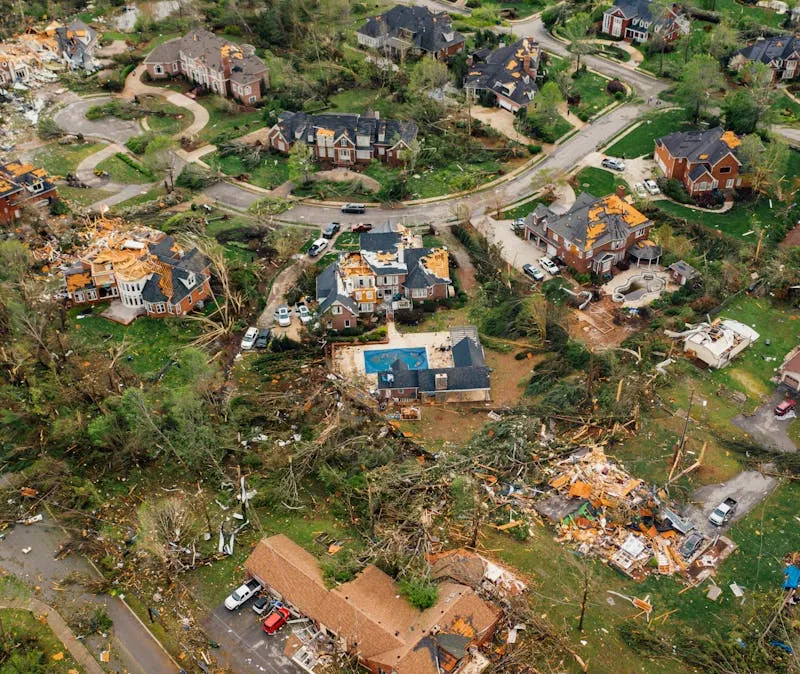
Perth doesn’t get storms often, but when they hit, they can be intense. Summer thunderstorms with damaging winds, hail, and heavy rain can cause significant roof damage in a matter of minutes.
If you’ve just been through a storm and suspect your roof has been damaged, here’s what to do - step by step. If water is already getting in, you may need emergency roof repairs in Perth to make the roof watertight before more damage is done.
Immediately After the Storm
Stay Safe First
Before you do anything, prioritise safety:
- Do not go on the roof during or immediately after a storm. Wet surfaces are dangerously slippery, and there may be structural damage you can’t see.
- Watch for fallen power lines around your property. If you see a downed line, stay well away and call Western Power on 13 13 51.
- Check for water coming through the ceiling - if water is actively dripping, place buckets to collect it and move furniture and valuables out of the way.
- If you smell gas or see significant structural damage, evacuate and call emergency services on 000.
Do a Ground-Level Assessment
Once conditions are safe, walk around the outside of your home and look for visible damage:
- Tiles or sheeting on the ground - if roofing material has come off, your roof has an opening that needs urgent attention
- Ridge caps dislodged - check the peaks of your roof for any caps that have shifted or fallen
- Damaged or bent gutters - particularly from fallen branches
- Lifted flashing around edges and penetrations
- Dents in metal roofing from hail impact
- Debris on the roof - branches, leaves, or other objects
Take photos of everything. This documentation is essential for insurance claims.
Temporary Repairs
If your roof has an opening - missing tiles, dislodged sheeting, or a hole from a fallen branch - you need to prevent further water damage until a professional can do permanent repairs.
Tarp the opening:
- Use a heavy-duty tarp large enough to cover the damaged area with at least a metre overlap on each side
- Weight the tarp down with sandbags or timber - never nail through the tarp into the roof
- Ensure the tarp sheds water away from the opening, not towards it
- Secure edges so wind can’t get underneath
If you can’t safely access the area, call an emergency roof repair service rather than risking a fall.
Important: Temporary repairs are just that - temporary. They’ll prevent further damage from the next rainfall but they’re not a permanent fix.
Common Types of Storm Damage in Perth
Wind Damage
Perth can experience wind gusts exceeding 100 km/h during severe storms. Wind damage typically includes:
- Lifted or displaced tiles - wind gets under the leading edge and lifts tiles off their battens
- Ridge cap displacement - ridge caps sit on the highest, most exposed part of the roof and are vulnerable to uplift
- Lifted metal sheeting - screws can pull through or sheets can peel back from the leading edge
- Damaged fascia and eaves - particularly on the windward side of the building
Hail Damage
While less common than wind damage in Perth, hailstorms do occur and can cause:
- Cracked or broken concrete tiles - hailstones can fracture concrete tiles on impact
- Dented metal roofing - cosmetic dents and, in severe cases, holes or cracks
- Damaged solar panels - if you have them, check for cracked glass
- Cracked or chipped terracotta tiles - terracotta is harder than concrete but can still crack under heavy hail
Branch and Debris Impact
Fallen trees and branches cause some of the most dramatic storm damage:
- Punctured roofing - a heavy branch can go straight through tiles or sheeting
- Crushed gutters - branches landing in gutters can bend or tear them off
- Damaged flashing - displaced by branch impact
- Structural damage to rafters - in severe cases, the timber framing underneath can be damaged
Getting Professional Help
Emergency vs Standard Repairs
If your roof has an active opening and rain is forecast, you need emergency repair - most roofing companies offer a 24-hour emergency service for exactly this situation. Emergency repairs typically involve temporary weatherproofing to prevent further damage until permanent repairs can be scheduled.
If the damage is cosmetic or minor (a few cracked tiles, dented metal, displaced pointing), you can schedule a standard repair within normal timeframes.
Getting Quotes
For significant damage, get quotes from at least two licensed roofing contractors. A good quote should include:
- A detailed description of the damage found
- The proposed repair method
- Materials to be used
- Cost breakdown
- Timeframe for completion
- Any warranty on the repair work
Watch Out for Storm Chasers
After major storms, it’s common for unlicensed operators to go door-to-door offering cheap, quick repairs. Be cautious:
- Always check that the contractor holds a current WA building licence
- Ask for proof of insurance (public liability and workers’ compensation)
- Be wary of anyone demanding large upfront payments
- Get everything in writing
- Don’t sign anything under pressure
Insurance Considerations
If you plan to make an insurance claim:
- Document damage before any repairs (except emergency temporary repairs)
- Contact your insurer promptly - most policies require timely notification
- Keep all receipts for emergency repair materials
- Don’t authorise permanent repairs until the insurer has assessed or given approval
- Get your own independent quote to compare against the insurer’s assessment
For more detail on the insurance process, see our complete guide to roof insurance claims.
Prevention for Next Time
While you can’t prevent storms, you can reduce the damage they cause:
- Trim trees that overhang or are close to your roof
- Maintain ridge capping so it’s firmly bedded and pointed
- Replace cracked tiles promptly - damaged tiles are more likely to fail in a storm
- Secure loose items on the roof (antenna mounts, solar panel fixings, whirlybirds)
- Keep gutters clear so heavy rainfall drains properly
- Consider upgrading fixings on older metal roofs - modern screw systems are more wind-resistant
Perth storms may be infrequent, but preparation and prompt action after a storm can prevent a minor roof issue from becoming a major home repair.
If you’re in a coastal suburb, storms aren’t the only thing working against your roof between events - see our guide to salt air roof damage for the slower, ongoing side of the problem. And if a storm has already left damage behind, get a free online quote and we’ll assess it from imagery before anyone needs to get on the roof.
 Licensed
  Fast Response
