6 min read
If you’re hearing heavy thumping on your roof at night, scratching in the ceiling, or finding displaced tiles in the morning, you’ve probably got a possum problem. Perth’s brushtail possums are prolific, territorial, and very good at finding their way into roof cavities.
They’re a protected native species - you can’t harm or relocate them without a licence - but you absolutely need to manage them, because the damage they do to roofs is significant and ongoing.
The Damage Possums Cause
Displaced and Broken Tiles
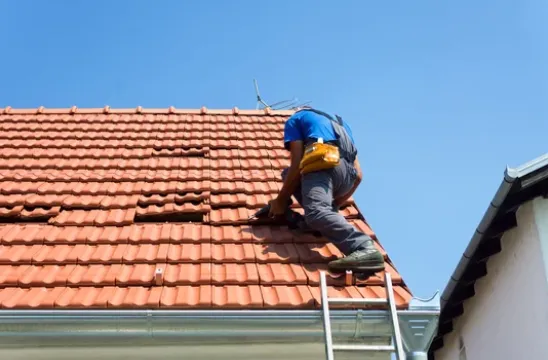
Possums are strong for their size and remarkably persistent. They lift, shift, and break roof tiles to create entry points into the cavity. A single possum will establish a preferred entry and exit route, displacing the same tiles repeatedly.
Every displaced tile is a leak waiting to happen. Even if the possum only lifts the tile slightly, rain can penetrate the gap - especially during Perth’s winter storms with wind-driven rain.
Urine and Droppings
Possum urine is corrosive and leaves persistent stains. Inside the roof cavity, urine soaks into timber framing, insulation, and ceiling plasterboard. Over time, this causes:
- Brown stains on ceilings that bleed through paint
- Odour that’s difficult to eliminate
- Degradation of timber surfaces
- Insulation contamination that reduces effectiveness
The smell alone drives many homeowners to action, but the structural damage from years of urine exposure is the bigger concern.
Insulation Destruction
Possums nest in insulation batts, pulling them apart, compressing them, and contaminating them. Once a possum has been living in your insulation, it needs replacing - it’s compressed (no longer insulating effectively), contaminated with urine and droppings, and often scattered across the cavity instead of sitting neatly between joists.
Electrical Wiring
Possums gnaw on electrical wiring in the cavity. This is a genuine fire hazard. Exposed wires in a cavity full of dry insulation and timber is a dangerous combination. If you suspect possum activity in your roof, having an electrician check the wiring afterward is sensible.
Pointing and Flashing Damage
Possums scratch and push at pointing compound and flashings to widen gaps. Fresh flexible pointing is particularly vulnerable - it’s soft enough for a determined possum to dig through. We occasionally see roofs where recently repointed ridge caps have been damaged within months by possum activity.
Identifying Possum Entry Points
Common entry points on Perth roofs:
- Broken or displaced tiles - the most obvious sign
- Gaps at the ridge line - where ridge caps meet tiles, especially if pointing has failed
- Eave gaps - where the roof meets the soffit, particularly if timber has warped or been damaged
- Around roof penetrations - gaps around vent pipes, aerial mounts, or solar panel conduits
- Valley areas - where two roof planes meet, gaps can develop as the structure settles
From inside the cavity (daylight inspection), look for:
- Droppings - possum droppings are dark, pellet-shaped, and about 1-2cm long
- Nesting material - shredded insulation, leaves, bark
- Scratch marks on timber
- Urine stains (dark patches on timber, particularly along travel routes)
- Daylight visible through entry points
Legal Requirements in WA
Brushtail possums are protected under the Biodiversity Conservation Act 2016. You cannot:
- Kill, poison, or injure them
- Relocate them away from where they were caught - a trapped possum must be released on the same property, at the site it was caught. Moving one elsewhere needs DBCA approval, and relocation is discouraged: possums moved into unfamiliar territory often die of stress or predation
- Disturb their habitat without appropriate approvals
You can:
- Install one-way exits that let them leave but not return
- Block entry points once you’ve confirmed the possum has left
- Install possum boxes on nearby trees as alternative shelter
- Engage a licensed pest controller for humane management
The Department of Biodiversity, Conservation and Attractions (DBCA) issues licences for possum management. In most cases, a licensed pest controller handles this on your behalf.
How to Possum-Proof Your Roof
Step 1: Identify All Entry Points
This requires a thorough roof inspection - both external (tile displacement, pointing gaps, eave damage) and internal (daylight test, droppings, damage patterns).
Every entry point needs to be found. Block most but leave one - that becomes the one-way exit point.
Step 2: Install a One-Way Exit
A one-way possum door or flap allows the possum to leave at night (they’re nocturnal and leave to feed) but prevents re-entry. This needs to stay in place for at least a week to ensure the possum has left - they sometimes skip a night.
Step 3: Seal All Entry Points
Once you’re confident the cavity is empty (check for remaining droppings or noise over several nights), seal everything:
- Replace broken tiles and ensure all tiles are properly seated
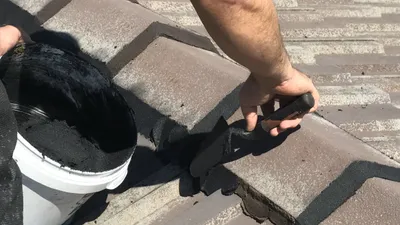
- Repoint ridge capping with flexible pointing compound
- Seal eave gaps with galvanised mesh or purpose-made possum guards
- Block gaps around penetrations with appropriate sealant or mesh
- Repair flashings that have been pushed open
The sealing needs to be thorough. Possums are persistent and will test every potential entry point for weeks after being excluded. A single missed gap and they’re back in.
Step 4: Provide an Alternative Home
Installing a possum nesting box on a nearby tree gives the evicted possum somewhere to go. They’re territorial - they won’t just move to another suburb. Without an alternative shelter, they’ll work harder to get back into your roof.
Possum boxes are inexpensive ($50-$100) and surprisingly effective. Mount them 3-4 metres up a tree, facing away from prevailing weather, with a clear flight path.
How Roof Restoration Helps
A full roof restoration is one of the most effective possum-proofing measures because it addresses all the common entry points in one go:
- All ridge capping is repointed with flexible compound, closing gaps along the ridge line (rebedding, if the caps need it, is quoted separately)
- Broken and cracked tiles are replaced
- Flashings are repaired and resealed
- Any gaps around penetrations are sealed
After a restoration the obvious gaps through the tiled area are closed up. Combined with possum exclusion at the eaves, that removes the usual ways in — though no roof can be guaranteed animal-proof.
If you’re planning a restoration and also have a possum problem, coordinate the timing - have the pest controller exclude the possums first, then restore the roof so the gaps they were using are closed up.
The Bottom Line
Possums are a fact of life in Perth suburbs, and they cause genuine damage to roofs, insulation, and wiring. The solution is humane exclusion followed by thorough sealing of all entry points.
Trying to live with possums in your roof cavity - hoping they’ll move on - is a losing strategy. They’re territorial, they breed, and the damage accumulates every month they’re in there. The sooner you address it, the less remediation you’ll need afterward. Once the possums are out, a roof repair for the broken tiles, or a full roof restoration to seal the whole roof, keeps them out for good. Get a free quote and we’ll take a look.
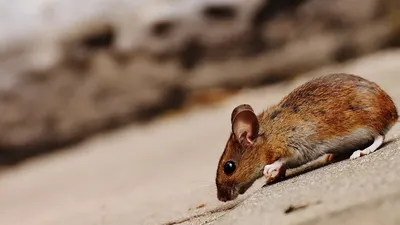
Possums aren’t the only roof-cavity visitor in Perth - if the noises sound smaller or more frequent, our guide to rats and rodents in the roof covers the signs that point to rodents instead, and bird proofing covers the third common culprit.

 Licensed
  Fast Response
