
4 min read
Perth’s winters are mild compared to the rest of Australia, but our wet season between May and September can dump serious rainfall in short bursts. A roof that seems fine all summer can spring leaks the moment the first heavy downpour hits.
The good news? A bit of preparation before winter can save you thousands in emergency repairs. Here’s what every Perth homeowner should check before the rain sets in.
Clear Your Gutters and Downpipes
This is the single most important thing you can do. Blocked gutters cause water to back up under your roof tiles or sheeting, leading to ceiling damage, mould, and rotted fascia boards.
Perth’s eucalyptus trees shed leaves year-round, and by autumn your gutters are usually packed. Pull out the debris by hand, then flush the downpipes with a hose to make sure water flows freely all the way to the drain.
Signs of blocked gutters:
- Water overflowing during rain
- Staining on fascia boards or external walls
- Plants growing in the gutter channel
- Sagging or pulling away from the roofline
Inspect Your Ridge Capping
Ridge capping sits along the peaks of your roof and is sealed with flexible pointing (the cement-like material). Over time, Perth’s heat causes this pointing to crack and crumble, creating gaps where water enters.
Walk around your property and look up at the ridge lines. If you can see daylight through gaps, or you notice chunks of pointing on the ground, it’s time to get the ridge repointed before winter.
Check for Cracked or Slipped Tiles
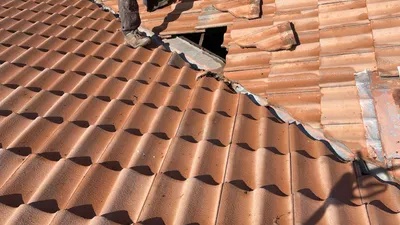
Even a single cracked tile can let in enough water to cause ceiling stains and timber damage. After summer storms with hail or strong winds, tiles can crack, chip, or shift out of position.
From ground level with binoculars, or from a safe vantage point, scan your roof for:
- Cracked or broken tiles
- Tiles that have slipped or shifted
- Missing tiles leaving exposed gaps
- Cement tiles with surface erosion
If you spot damage, get it fixed before winter - a single tile replacement is far cheaper than repairing a water-damaged ceiling.
Look at Your Valleys
Valleys are the V-shaped channels where two roof planes meet. They carry a huge volume of water during heavy rain, so any damage here is serious.
Check for:
- Rust spots on metal valley trays
- Lifted or corroded flashing
- Debris buildup in the valley channel
- Gaps between tiles and the valley tray
Rusty or damaged valleys are one of the most common causes of roof leaks in Perth homes. If you see rust, don’t wait - get it assessed before the wet season.
Test Your Ceiling for Existing Damage
Before winter arrives, check your ceiling spaces for signs of previous leaks you might not have noticed:
- Brown or yellow water stains on ceilings
- Damp or musty smell in the roof cavity
- Mould on timber framing
- Insulation that looks wet, compressed, or discoloured
If you find evidence of past leaks, the source needs to be identified and repaired before more rain makes it worse.
Check Flashings Around Penetrations
Anywhere something comes through your roof - vent pipes, skylights, antenna mounts, air conditioning units - there are flashings that seal the gap. These flashings can deteriorate over time, especially the rubber boots around pipe penetrations.
Cracked or lifted flashings are easy to miss but are a very common leak source.
Trim Overhanging Branches
Trees hanging over your roof drop leaves into gutters, scratch roof coatings, and in storms can cause serious damage. Before winter, trim any branches that overhang or touch your roof. This also reduces the risk of possum damage to your roof space.
When to Call a Professional
A ground-level visual check is a good start, but some problems aren’t visible from below. If your roof is more than 15 years old, or you’ve noticed any signs of leaks, it’s worth getting a professional inspection before winter.
A qualified roofer can safely access the roof, identify issues you can’t see from the ground, and give you a clear picture of what needs attention - before you’re dealing with an emergency during a downpour.
Your Winter Roof Checklist
- Clear gutters of leaves and debris
- Flush downpipes with a hose
- Check ridge capping for cracked pointing
- Look for cracked, broken, or slipped tiles
- Inspect valleys for rust or damage
- Check ceilings for water stains
- Inspect flashings around pipes and skylights
- Trim overhanging tree branches
- Book a professional roof inspection if needed
Taking an hour or two to run through this checklist can prevent thousands of dollars in damage. Perth winters aren’t extreme, but they don’t need to be - even moderate rainfall will find its way through any weakness in your roof.
Winter is just one part of the year - our seasonal roof maintenance checklist covers what to check in autumn, spring and summer too. And if the ground-level check turns up something that needs more than a checklist, get a free online quote and we’ll take it from there.


 Licensed
  Fast Response
