11 min read
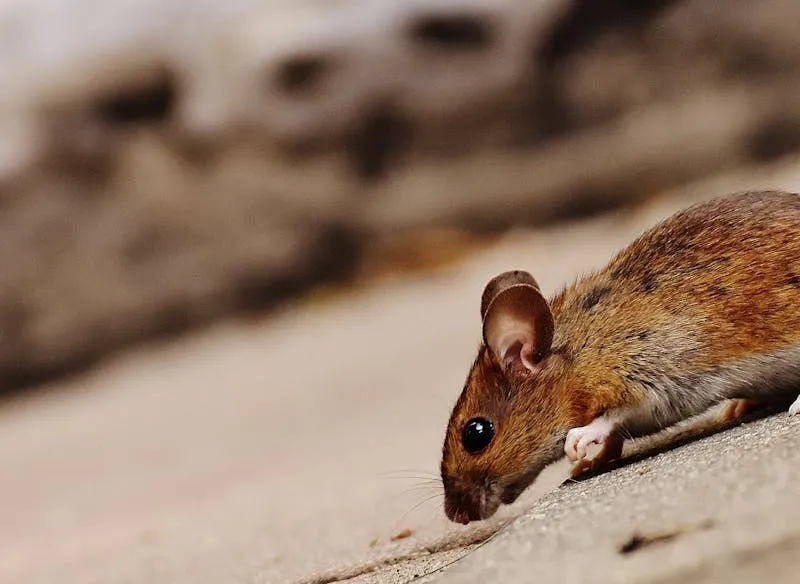
If you’re hearing scratching, scurrying, or gnawing in your ceiling at night, there’s a good chance you’ve got rats in your roof cavity. Perth has a significant rodent population - both the common black rat (Rattus rattus, also called the roof rat) and the brown rat (Rattus norvegicus) are well established across the metropolitan area. And they love roof cavities.
A roof cavity is warm in winter, cool in summer, protected from predators, and full of nesting material in the form of insulation batts. From a rat’s perspective, it’s premium real estate. The problem is that once they’re in, they cause genuine damage - and not just the kind you can hear.
Common entry points for rats and rodents:
- Broken, cracked or displaced roof tiles
- Gaps where pipes and vents penetrate the roof
- Deteriorated eave linings (soffits) around the perimeter
- Gaps at the gutter line where the bottom tiles meet the gutter
- Openings where air-conditioning ducting enters the roof
- Ridge cap gaps from failed bedding and pointing
- Damaged valley trays where two roof sections meet
An adult black rat can squeeze through a gap as small as 15mm, so any opening wider than a finger is a potential way in.
How Rats Get Into Your Roof
The first thing most people underestimate is just how small a gap a rat needs. An adult black rat can squeeze through a gap as small as 15mm - roughly the diameter of your thumb. Brown rats need slightly more, around 20mm, but that’s still remarkably small. Any gap in your roof structure wider than a finger width is a potential entry point.
Here are the common ones:
Broken or Displaced Tiles
A single cracked tile, a tile that has shifted out of position, or a tile that was removed and not properly replaced creates an opening into the roof cavity. Rats climbing on the roof surface find these gaps quickly. They don’t need much - even a tile that’s lifted slightly at one edge can provide enough clearance.
Gaps Where Pipes Penetrate the Roof
Plumbing vent pipes, range hood exhausts, bathroom exhaust ducts, and evaporative air conditioning connections all penetrate the roof surface. Each penetration should be sealed with a flashing or a rubber boot collar. Over time, these seals deteriorate - rubber perishes in Perth’s UV, lead flashings crack, and sealant dries out and shrinks. The gap that opens up is often more than enough for a rat.
Deteriorated Eave Linings
The eave lining (soffit) is the panel that covers the underside of the eaves. In older Perth homes, eave linings are often compressed fibre cement or timber, and they deteriorate with age. Gaps open up between panels, corners break away, and in some cases entire sections fall out. The eave line is one of the most common entry points for rats because it runs the entire perimeter of the house and connects directly to the roof cavity.
Gaps at the Gutter Line
Where the bottom row of tiles meets the gutter, there’s often a small gap - particularly if the tile overhang is short or the tile has shifted back. Rats climbing up downpipes (they’re excellent climbers) can access these gaps easily. The gap doesn’t need to be large - rats will also gnaw at timber fascia to widen an existing gap.
Where AC Ducting Enters the Roof
Ducted air conditioning systems have large diameter ducts running through the roof cavity, and these ducts penetrate walls and ceilings at various points. The openings cut for ducting are often larger than the duct itself, leaving gaps that may be loosely packed with insulation but not properly sealed. Rats push through insulation packing without difficulty.
Ridge Cap Gaps
If the bedding and pointing on your ridge caps has deteriorated, gaps open up along the ridge line. These gaps may not be visible from the ground but provide entry into the cavity at the highest point of the roof.
Damaged Valley Trays
Valley trays where two roof sections meet can develop gaps at the top or bottom where they interface with ridge caps or gutters. These are less common entry points but still worth checking.
The Damage Rats Cause
Rats in the roof aren’t just a nuisance - they cause real damage that costs real money to fix.
Gnawing Electrical Wiring - Fire Risk
This is the most serious concern. Rats gnaw continuously to keep their teeth from overgrowing, and electrical wiring in the roof cavity is a frequent target. Gnawed wiring with exposed conductors in a cavity full of dry insulation, timber, and dust is a genuine fire hazard.
Electrical fires caused by rodent damage are well documented, and insurers are aware of the risk. If you’ve had rats in your roof, having an electrician inspect the wiring afterward isn’t optional - it’s essential.
Contaminating Insulation
Rats nest in insulation batts, tearing them apart to create nesting material. They urinate and defecate throughout the cavity, contaminating the insulation. Rat-contaminated insulation is a health hazard - rat urine can carry leptospirosis, and disturbing dried droppings puts dust into the air you don’t want to breathe. (Hantavirus gets mentioned a lot in overseas advice - there are no confirmed human cases in Australia, so it isn’t the reason to be careful here. Leptospirosis is.)
Once insulation has been heavily contaminated by rats, it generally needs replacing. The insulation is no longer effective (it’s been compressed and torn apart), and the contamination creates ongoing health and odour issues.
Urine and Odour
Rat urine has a strong, persistent ammonia smell that permeates ceiling plasterboard and becomes noticeable inside the living areas. Once the urine soaks into timber framing, it’s extremely difficult to eliminate. In severe infestations, the smell alone can make rooms below the ceiling cavity uncomfortable.
Noise
Rats are nocturnal and most active in the hours around dusk and pre-dawn. The noise - scratching, running, gnawing, and occasionally fighting - disrupts sleep and is remarkably loud given the size of the animal. Rat activity in the roof cavity is amplified by the ceiling structure, which acts like a sounding board.
Structural Gnawing
Beyond wiring, rats gnaw on timber, PVC pipes, and any accessible material. They can gnaw through PVC plumbing pipes in the roof cavity, causing leaks that may go undetected for weeks until the ceiling shows water damage.
Rat vs Possum: How to Tell the Difference
Both rats and possums inhabit Perth roof cavities, but they behave differently, and the distinction matters because they require different responses.
Droppings
Rat droppings are small (10-15mm), dark, and pellet-shaped - similar to a large grain of rice. You’ll find them scattered along runs and near nesting areas. Black rats tend to leave droppings in concentrated areas.
Possum droppings are larger (15-30mm), cylindrical, and often contain visible plant material - leaf fragments, bark fibre, and seeds. They’re usually found at entry/exit points and along regular travel routes.
Noise Timing
Rats are most active in the pre-dawn hours (2-5 AM) and again at dusk. The noise is scratching, rapid scurrying, and gnawing. Movement is fast and erratic.
Possums are active from dusk, with heavy thumping as they enter and leave the roof. Possum footsteps are distinctive - slow, heavy thuds rather than the light, rapid scurrying of rats. Possums also make characteristic grunting, hissing, and screeching vocalisations that rats don’t.
Movement Pattern
Rats move quickly and unpredictably, often in short bursts. You’ll hear rapid scurrying that stops and starts.
Possums move slowly and deliberately. The footsteps are heavier and more spaced out. You can often track a possum’s movement across the ceiling by the sequential thuds.
Damage Pattern
Rats gnaw on wiring and create small, concentrated nesting areas in insulation. Their droppings and urine contamination tend to be spread throughout the cavity.
Possums displace tiles at entry points, pull apart insulation for nesting in larger areas, and cause urine staining that shows through ceiling plasterboard as brown spots.
How to Stop Rats Getting In
Seal All Gaps
This is the fundamental solution. Every gap larger than 15mm in the roof structure needs sealing. This includes:
- Tile gaps - replace broken or missing tiles, reseat shifted tiles
- Pipe penetrations - replace deteriorated flashings and rubber boot collars
- Eave linings - repair or replace damaged sections, seal gaps between panels
- Gutter line - install or replace eave guards (bird and rodent-proof mesh)
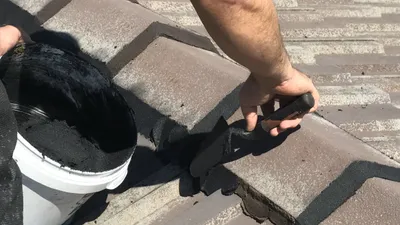
- Ridge caps - repoint deteriorated bedding and pointing
- AC ducting penetrations - properly seal around all ductwork
- Wall vents and weep holes - install rodent-proof mesh covers
The materials used for sealing matter. Rats can gnaw through timber, plastic, rubber, and soft metals like aluminium. Effective barriers include galvanised steel mesh (6mm maximum aperture), cement, and steel wool packed tightly into gaps as a temporary measure.
Trim Trees Back
Rats are agile climbers and will use trees, shrubs, and vines to access your roof. Any vegetation within 1.5 metres of the roof provides a highway for rats. Trim back all branches, remove any climbing plants on walls near the roofline, and cut back dense shrubs growing against the house.
The 1.5 metre clearance is a minimum - rats can jump horizontally about 1.2 metres from a branch, so a clearance of 2 metres is even better.
Remove Food Sources
Rats enter roof cavities for shelter, but they stay because of food availability. Reducing food sources around your property makes it less attractive:
- Don’t leave pet food out overnight
- Keep bins sealed with tight-fitting lids
- Pick up fallen fruit from fruit trees
- Secure chicken feed in sealed containers
- Compost bins should be fully enclosed types, not open piles
- Bird feeders attract rats - consider removing them if you have a rat problem
Block Climbing Routes
Beyond trees, rats climb using:
- Downpipes - install downpipe guards (cone-shaped metal shields) that prevent climbing
- Brick walls - rats can climb textured brick easily; not much you can do about this, but it highlights the importance of sealing the roof envelope
- Fences adjacent to the house - timber fences running up to the eave line are a direct route onto the roof
When to Call Pest Control vs a Roofer
Both professionals play a role, but they solve different parts of the problem.
Call Pest Control For:
- Baiting - professional-grade rodenticide placed in locked bait stations at strategic locations
- Trapping - snap traps or cage traps for targeted removal
- Assessment of infestation severity - pest controllers can estimate the population size and identify activity patterns
- Dead animal removal - if a rat dies in the cavity and the smell becomes unbearable
Pest control addresses the existing population but doesn’t prevent future entry. If the gaps in the roof aren’t sealed, new rats will move in as soon as the bait stations are depleted.
Call a Roofer For:
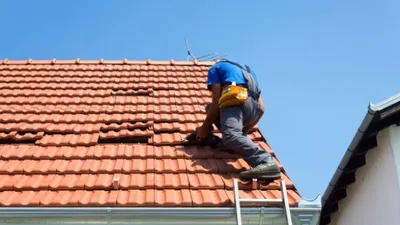
- Identifying and sealing entry points - this requires knowledge of roof construction and access to the roof surface
- Replacing damaged tiles, flashings, and eave linings - the physical repairs that eliminate entry points
- Repointing ridge caps - sealing gaps along the ridge line
- Installing rodent-proof mesh at eaves and vents
- Inspecting the roof cavity for damage to wiring, insulation, and structure
The most effective approach is a combined one: pest control to deal with the existing rats, followed by a roofer to close up the entry points. Doing the pest control first ensures you’re not sealing live rats inside the cavity.
How Roof Restoration Helps
A comprehensive roof restoration naturally addresses most of the common rat entry points. During a standard restoration, the roof is cleaned, all tiles are inspected and replaced where necessary, ridge caps are repointed (rebedding is quoted separately if the caps need it), flashings are checked and replaced, and the entire roof surface is sealed with a protective coating.
This process essentially closes the gaps that rats exploit. The repointing of ridge caps seals the ridge line. Tile replacement and realignment closes gaps in the tile field. Flashing replacement seals penetration points.
It’s not a substitute for targeted rodent proofing - specific measures like eave mesh and downpipe guards may still be needed - but a restored roof has far fewer entry points than a neglected one. Many of our customers report that rat activity stops entirely after restoration, simply because the roof no longer has the gaps that allowed entry.
The Bottom Line
Rats in your roof cavity are more than a nuisance - they’re a fire hazard (gnawed wiring), a health risk (contaminated insulation), and an ongoing source of property damage. They enter through remarkably small gaps, and a neglected roof with deteriorated pointing, damaged tiles, and gaps in the eave lining is an open invitation.
The solution is a two-step process: pest control to deal with the existing population, and a roofer to close up the entry points. Neither step alone is sufficient - baiting without sealing means new rats move in, and sealing without baiting means you’ve trapped rats inside your ceiling.
If you’re hearing noises in the roof, don’t wait. Rat populations grow quickly, and the longer they’re in residence, the more damage they do. A roof inspection that identifies and seals entry points is a worthwhile investment in both your roof’s condition and your peace of mind. Get a free quote online and we’ll find and seal the gaps.
If the sounds are heavier or you’ve spotted droppings on the patio rather than in the ceiling, it might be possums rather than rats - the entry points and exclusion approach are similar, but worth telling apart before you call a pest controller.

 Licensed
  Fast Response
