6 min read
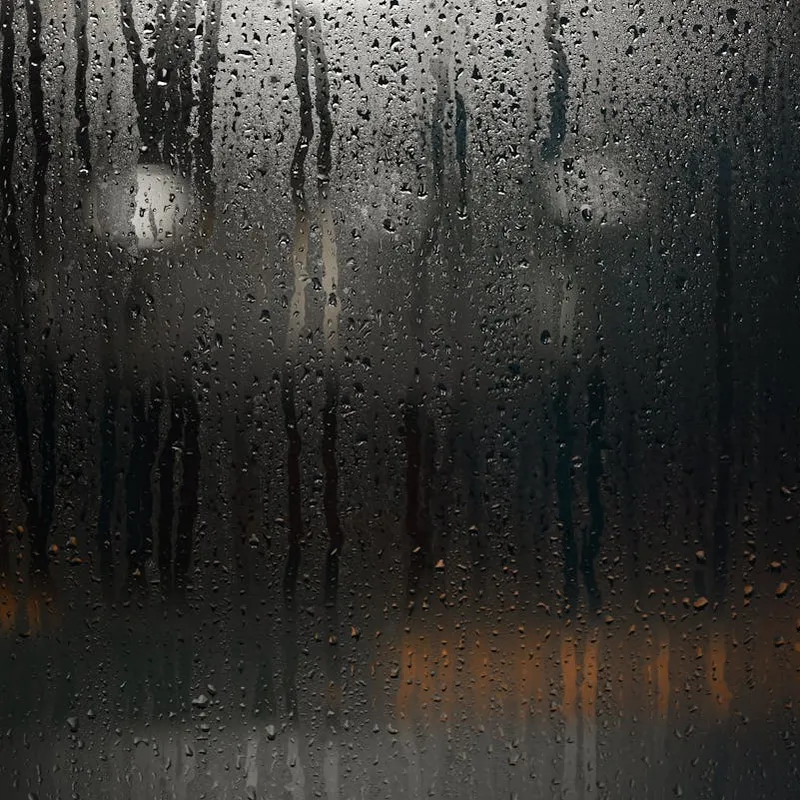
When Perth homeowners see water stains on the ceiling, they assume a roof leak. And often it is. But there’s another culprit that’s surprisingly common and frequently misdiagnosed: condensation.
Roof cavity condensation can produce enough moisture to stain ceilings, grow mould on timbers, and degrade insulation - all without a single drop of rain getting through the roof.
How Condensation Forms in Roof Cavities
The physics are simple. Warm, moist air rises from your living spaces through gaps around downlights, exhaust fans, ceiling hatches, and wherever the ceiling isn’t perfectly sealed. That warm air enters the cooler roof cavity.
When the air temperature in the cavity drops below the dew point - the temperature at which moisture condenses out of the air - water droplets form on cold surfaces. In Perth, this most commonly happens:
- On cool winter mornings after a warm evening - the roof surface cools overnight by radiating heat to the sky, and the underside of the roofing material becomes the coldest surface in the cavity
- After a hot day followed by a cool evening - rapid temperature drops cause the moisture-laden air to release water
- In spring and autumn when day-night temperature swings are at their largest
The water condenses on the underside of tiles or metal sheeting, drips onto timbers and insulation below, and eventually shows up as stains on your ceiling.
Why Perth Is Prone to This
You’d think Perth’s dry climate would make condensation unlikely, but several factors work against us:
Large day-night temperature swings. Perth regularly sees 15-20 degree differences between daytime highs and overnight lows, especially in spring and autumn. These swings create the exact conditions for condensation.
Poorly sealed ceilings. Many Perth homes - particularly those built in the 1970s-1990s - have numerous ceiling penetrations: downlights, exhaust fan openings, evaporative cooling ducts, and access hatches that allow warm, moist air into the cavity.
Bathroom and kitchen exhaust. Exhaust fans that vent into the roof cavity instead of through the roof to the outside are a major moisture source. Every shower sends litres of water vapour directly into the cavity. This is technically non-compliant with current building standards, but it’s extremely common in older Perth homes.
Inadequate ventilation. Many Perth roof cavities have limited or no ventilation. Without airflow to carry moisture out, humidity builds up and has nowhere to go.
Signs of Condensation (vs a Leak)
Distinguishing condensation from a leak matters because the fix is completely different.
Signs it’s condensation:
- Water stains appear on the ceiling but not directly under a roof penetration, valley, or flashing
- Stains appear during or after clear weather - no rain involved
- The staining is widespread or appears in multiple areas, not a single defined spot
- Mould is visible on roof timbers or insulation but the roof surface above is intact
- The problem is worse in winter mornings or after temperature swings
- You have unvented exhaust fans or lots of ceiling penetrations
Signs it’s a leak:
- Staining appears directly during or after rain
- The stain is in a specific spot that traces upward to a tile crack, valley, or flashing
- Water drips actively during heavy rain
- The stain gets worse with heavier rain and disappears in dry weather
Sometimes it’s both. A cavity with condensation issues can also have a leak, and the two problems make each other worse.
The Damage Condensation Causes
Left unaddressed, persistent condensation leads to:
Timber rot. Rafters, battens, and trusses that stay damp develop fungal rot. This is slow but progressive - by the time you see it, the timber has already lost structural capacity.
Mould growth. Mould colonies establish on timber surfaces, insulation, and even ceiling plasterboard (from the top side). This is a health concern, particularly for people with respiratory conditions.
Insulation degradation. Wet insulation loses its effectiveness dramatically. Fibreglass batts that absorb moisture compress and lose their insulating air pockets. You end up with cold ceilings above and a hot cavity below - the exact combination that creates more condensation.
Ceiling stains and paint damage. The visible symptom most homeowners notice. The stain is actually the least of your problems, but it’s what triggers the investigation.
Electrical hazards. Water dripping onto electrical wiring, junction boxes, or downlight fittings in the ceiling creates genuine safety risks.
How to Fix It
1. Improve Ventilation
This is the most effective single fix. Getting air moving through the cavity carries moisture out before it can condense.
- Install whirlybirds or powered ventilators - 2-3 whirlybirds for a standard Perth home, or a solar-powered unit for more consistent extraction
- Add eave or soffit vents - these provide the intake air that makes exhaust ventilation effective
- Check existing vents aren’t blocked - insulation batts pushed against eave vents are a common problem
2. Fix Exhaust Fan Ducting
Every exhaust fan in your home should vent through the roof to the outside, not into the cavity. This is the single biggest moisture source in most homes with condensation problems.
A plumber or electrician can extend exhaust ducting through the roof with proper flashing. It’s a relatively inexpensive fix with major impact.
3. Seal Ceiling Penetrations
Reducing the amount of warm, moist air that enters the cavity in the first place:
- Seal around downlight cutouts with appropriate fire-rated materials
- Ensure the ceiling access hatch seals properly when closed
- Seal gaps around pipes, ducts, and wiring penetrations through the ceiling
- Consider replacing old halogen downlights with sealed LED units
4. Add or Improve Insulation
Better insulation serves two purposes: it keeps the living space warmer (reducing heating that drives moisture upward) and it creates a thermal break that reduces condensation on the ceiling-side surfaces.
If your insulation is water-damaged, it needs replacing regardless - wet insulation is worse than no insulation.
5. Install a Vapour Barrier
In severe cases, a vapour barrier (a membrane installed above the ceiling insulation) prevents moist air from reaching the cavity at all. This is more common in new construction but can be retrofitted in some situations.
What We Can Help With
During a roof inspection or restoration, we check the cavity for signs of condensation damage - mould on timbers, water staining on the underside of tiles, degraded insulation, and the overall ventilation situation.
Installing roof ventilation (whirlybirds, solar vents, ridge vents) is something we do regularly as part of restorations. If we identify condensation as a problem during an inspection, we can address the ventilation component and advise on the other fixes (exhaust ducting, ceiling sealing) that may need a different tradesperson.
The Bottom Line
Condensation is one of those problems that causes real damage while being easy to dismiss because there’s no dramatic leak or obvious failure. The moisture accumulates slowly, the timber degrades gradually, and by the time the ceiling stain appears, the cavity has been wet for months or years.
If you’re seeing ceiling stains that don’t clearly correspond to rain events, or if you know your exhaust fans vent into the cavity, it’s worth getting the roof cavity checked. The fix is usually straightforward, better ventilation (often a whirlybird or two) and proper exhaust ducting, and the cost is modest compared to the structural damage that unchecked moisture eventually causes. Get a free quote online.


 Licensed
  Fast Response
