5 min read
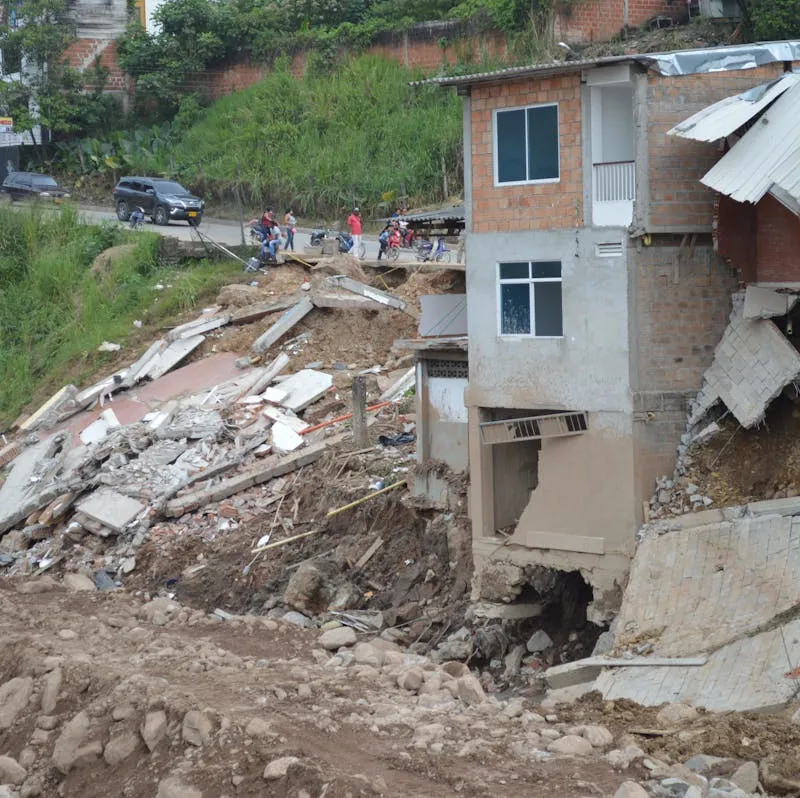
When a storm rolls through Perth and damages your roof, the first thing most homeowners do is call their insurance company. But understanding what’s actually covered - and how to handle the claim properly - can make the difference between a smooth repair process and a frustrating rejection.
Here’s what Perth homeowners need to know about roof insurance claims.
What Home Insurance Typically Covers
Most standard home and contents policies in Australia cover roof damage caused by sudden, accidental events, including:
- Storm damage - wind, hail, heavy rain causing structural damage
- Fallen trees or branches - trees crashing onto your roof during storms
- Lightning strikes - direct strikes causing fire or structural damage
- Impact damage - something falling onto or hitting your roof
The key word is sudden. Insurance is designed to cover unexpected events, not gradual deterioration.
What Insurance Usually Doesn’t Cover
This is where many claims get rejected:
- Wear and tear - gradual deterioration from age, weather exposure, and lack of maintenance
- Lack of maintenance - leaks caused by blocked gutters, cracked pointing, or deteriorated flashings that weren’t maintained
- Pre-existing damage - problems that existed before the event you’re claiming for
- Gradual water damage - slow leaks that have been developing over time
- Pest damage - possum or bird damage to roof materials
- Structural defects - faulty original construction or poor previous repairs
The critical distinction: If a storm blows tiles off your roof, that’s covered. If your roof leaks during rain because the pointing has been cracking for years, that’s maintenance - and it’s not covered.
How to Handle Roof Damage for Insurance
Step 1: Document Everything Immediately
As soon as it’s safe, document the damage thoroughly:
- Take photos and video from multiple angles - ground level and close-up if safely accessible
- Photograph the wider context - show the storm damage to surrounding properties, fallen branches, etc.
- Note the date and time of the event
- Keep weather records - BOM weather data for Perth can support your claim
- Don’t clean up more than necessary - document the damage before making temporary repairs
Step 2: Prevent Further Damage
You have a duty to take reasonable steps to prevent further damage. This might mean:
- Placing a tarp over exposed areas, but only if it is reachable safely from a ladder — never go up onto a damaged or wet roof yourself
- Removing debris that could cause additional damage
- Clearing blocked gutters if they’re causing water backup
Keep receipts for any emergency materials you buy - these are usually reimbursable.
Step 3: Contact Your Insurer Promptly
Most policies require you to report damage within a reasonable timeframe. Call your insurer as soon as possible and:
- Provide the date and nature of the event
- Describe the damage clearly
- Ask about the claims process and what documentation they need
- Ask about emergency repair provisions
- Get a claim number
Step 4: Get Professional Quotes
Your insurer will likely send their own assessor, but it’s wise to also get independent quotes from licensed roofers. This gives you:
- An independent assessment of the damage
- A realistic repair cost to compare against the insurer’s offer
- Professional documentation of the damage and its cause
Step 5: Understand the Assessment
When the insurance assessor inspects your roof, they’ll be looking to determine:
- What damage was caused by the claimed event
- What damage is pre-existing or maintenance-related
- Whether the repair is economical vs. replacement
- The age and condition of the roof before the event
Be honest and transparent. Trying to claim pre-existing damage as storm damage will likely result in the entire claim being rejected.
Common Reasons Claims Get Rejected
“Wear and tear” - The insurer determines the damage is from gradual deterioration, not a sudden event. This is the most common rejection reason.
“Lack of maintenance” - If your roof was already in poor condition and the claimed event just made existing problems worse, the insurer may argue the damage was preventable.
“Not covered under your policy” - Some policies have exclusions for certain types of damage or events. Always read your Product Disclosure Statement (PDS).
“Late notification” - Waiting too long to report damage can lead to rejection, as the insurer may argue the damage has worsened since the event.
Tips for Stronger Claims
Maintain your roof regularly - A well-maintained roof strengthens your claim because it’s clear the damage is from the event, not neglect. Keep records of maintenance and inspections.
Photograph your roof annually - Having “before” photos showing your roof in good condition before the event is powerful evidence.
Keep maintenance receipts - Receipts from gutter cleaning, pointing repairs, and professional inspections prove you’ve been maintaining the property.
Don’t delay - Report damage promptly and start the claims process immediately.
Get your own expert opinion - An independent roofing professional can provide a report supporting your claim if you believe the insurer’s assessment is unfair.
What If Your Claim Is Rejected?
If your claim is rejected and you believe it shouldn’t have been:
- Ask the insurer for the specific reason in writing
- Review your PDS to check their decision against your coverage
- Lodge an internal complaint with the insurer
- If unresolved, contact the Australian Financial Complaints Authority (AFCA) - they handle insurance disputes at no cost to you
- Consider getting an independent roof inspection report to support your case
The Maintenance Connection
The best thing you can do for future insurance claims is maintain your roof properly now. When you can demonstrate that your roof was in good condition before an event, it’s much harder for an insurer to attribute damage to wear and tear.
Regular professional roof inspections, keeping gutters clean, addressing cracked pointing, and replacing damaged tiles promptly all contribute to a stronger position if you ever need to make a claim. If you want a documented condition report, get a free quote online.

 Licensed
  Fast Response
