6 min read
When a Perth homeowner realises their roof needs serious attention, one of the first questions they ask is: “Do I need to replace it, or can it be restored?” The answer affects thousands of dollars in either direction, so it’s worth understanding how to think about this properly.
The short version: most Perth tile roofs that aren’t structurally compromised don’t need replacement - restoration is the right call. But there are situations where replacement is the smarter long-term decision. Here’s how to work out which camp you’re in.
What’s the Difference?
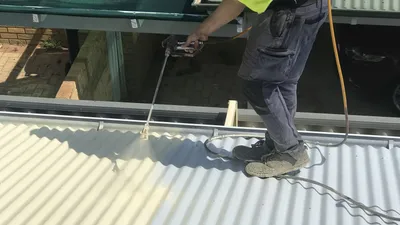
Roof restoration involves cleaning the existing roof, repairing or replacing damaged individual tiles, repointing the ridge caps, and applying a new coating system. The roof structure and most of the tiles stay in place. You’re renewing the surface and weatherproofing while keeping the existing substrate.
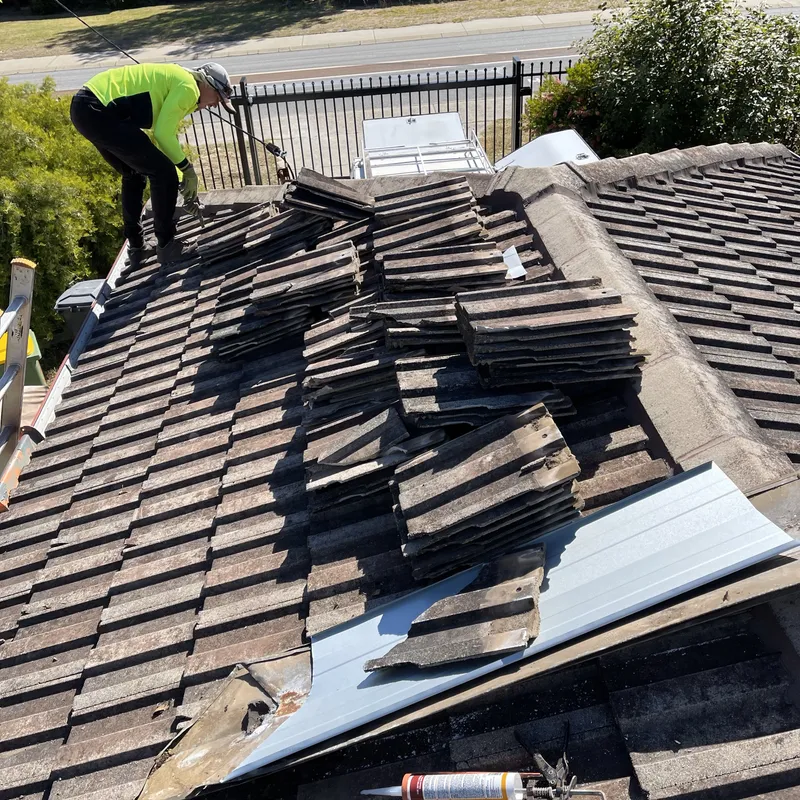
Roof replacement means removing all existing tiles (or metal sheeting), inspecting and repairing the underlying timber structure as needed, and laying an entirely new roof covering - whether that’s new tiles, new Colorbond, or another material. It’s a significantly larger project.
Cost Comparison
This is usually the first thing people want to know.
Roof restoration for a typical Perth single-storey home: $4,500-$9,000
Roof replacement for the same home: $18,000-$40,000+ depending on material and scope
The cost difference is substantial. Restoration is typically 25-40% of the cost of replacement on a like-for-like basis. This is why restoration makes sense for most Perth roofs - you get a roof that performs like new at a fraction of the cost of replacing it.
When Restoration Is the Right Choice
Restoration is the right call when:
The tile substrate is structurally sound. Even 40-year-old concrete or terracotta tiles in reasonable condition can be successfully restored. Cracks and chips in individual tiles are repaired or tiles are replaced individually - you don’t need to replace the whole roof for some broken tiles.
The roof structure (timbers) is intact. If the battens and rafters are in good shape, there’s no structural reason to replace the roof covering.
The problems are surface-level. Faded or chalking paint, failed pointing, lichen growth, minor tile damage - these are all restoration territory.
You plan to stay in the home for 10+ years. Restoration adds 12-15+ years to the life of the roof. If you’re in the home long-term, this investment pays off clearly.
When Replacement Makes More Sense
There are situations where replacement is genuinely the better long-term call:
Widespread tile failure. If more than 20-30% of tiles on the roof are cracked, broken, or severely compromised, the cost of individual tile replacement starts approaching the cost of a complete re-tile. At that point, replacement may be better value.
Structural timber damage. If the underlying battens and rafters have significant rot or termite damage, the roof needs to come off anyway to address the structure. This is the time to replace the covering too.
Material at end of life. Some older fibre cement roofs, corrugated asbestos cement tiles, or heavily degraded pre-1980s metal roofs have simply reached the end of their serviceable life. Restoration products can only do so much on a substrate that’s fundamentally failed.
Converting materials. If you want to change from tile to Colorbond (or vice versa) - whether for aesthetic reasons, weight concerns, or insulation - that’s replacement, not restoration. Tile-to-Colorbond conversion is a popular option in Perth.
Planning to sell. If a property is going to market and the roof is genuinely past restoration, a new roof may be the right investment for sale value. But in most cases, a professional restoration gives you 90% of the visual impact of replacement at 30% of the cost - which is better return on investment for sale purposes.
How to Know Which Category You’re In
Judging a roof purely from the street is hard. The indicators visible from ground level - overall colour, obvious broken tiles, pointing condition - give you a starting point, but a proper assessment fills in the gaps. We do this remotely using high-resolution satellite and aerial imagery, with no site visit needed, and a paid on-site inspection available if a roof is genuinely borderline.
Things we assess when reviewing your roof:
- How many tiles are cracked or broken, and what percentage of the total that represents
- Whether the tile substrate itself is degrading or just the surface coating
- Condition of the timber battens (visible from inside the roof cavity)
- Valley condition and whether metal components are salvageable or need replacement
- Pointing condition and whether bedding has failed under any ridge caps
Most of the time, what looks like a roof needing replacement turns out to be a restoration job. Occasionally, what a homeowner assumes is just a “needing a paint” turns out to have more substantial issues. The only way to know is a proper assessment.
Three Ways the Decision Goes
To make this less abstract, here are the three shapes this call usually takes:
Restoration is the clear winner. A tile roof around 30 years old with surface weathering, a bit of moss and a small share of cracked tiles, but a sound structure underneath. Restoration brings it back close to new for a fraction of what replacement costs.
Replacement is genuinely necessary. A much older tile roof with ongoing leaks, a large share of damaged tiles and rotten battens. There is no point coating a roof whose structure has failed, and we will tell you so rather than sell you a restoration.
A borderline call. An older metal roof with surface rust and some panel corrosion, but sound underneath. Restoration is a reasonable choice here as long as it is understood as buying a number of good years rather than being a forever fix - which often suits an owner who is not planning to stay long-term.
The pattern holds across almost every job: if the structure is sound, restoration wins; once the structure or a large share of the tiles have failed, replacement becomes the better value.
Our Honest Position
We specialise in roof restoration, and we’re good at it. But we’re not going to recommend restoration on a roof that genuinely needs replacement - that would be setting you up for problems down the track and wasting your money on a short-term fix. If a roof needs replacing, we’ll tell you clearly, explain why, and you can make your decision with accurate information.
Get an online quote - we assess your roof remotely from satellite and aerial imagery with no site visit needed (a paid on-site inspection is available if needed) and give you a clear recommendation based on what it actually needs.
 Licensed
  Fast Response
