7 min read
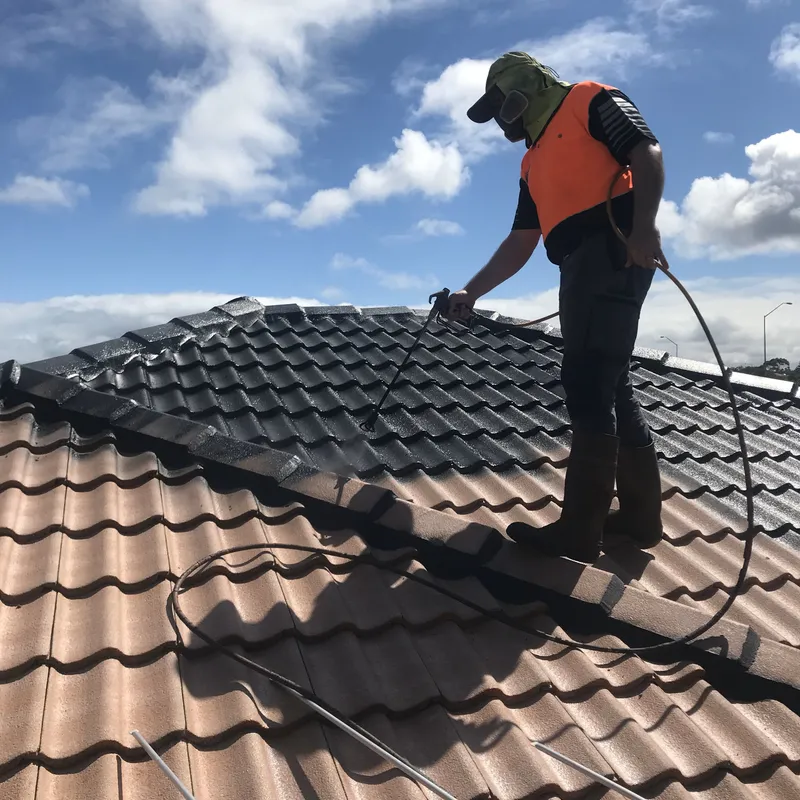
You paid for a roof restoration and were told it comes with a warranty. But when something goes wrong two years later, you discover the warranty doesn’t cover what you thought, the contractor has disappeared, or the manufacturer says the claim is invalid because the product wasn’t applied correctly.
This happens more often than it should. Here’s how roof warranties actually work and how to protect yourself.
Two Warranties, Not One
A properly done roof restoration should come with two separate warranties:
1. Workmanship Warranty (From the Contractor)
This covers the quality of the labour - preparation, repairs, application technique. If the paint peels because the surface wasn’t cleaned properly, or a repaired tile starts leaking because it wasn’t sealed correctly, that’s a workmanship issue.
Our workmanship guarantee: 12 months Who backs it: The contractor’s business
Twelve months is what Roof Restorers Perth guarantees in writing, and it covers the repointing, rebedding, tile replacement and leak repairs we carry out on tiled roofs. Cleaning, gutter work and coating application sit outside it. Some contractors advertise longer workmanship terms — read what the signed agreement actually says, because the advertised figure and the contract term are not always the same number.
The problem: this warranty is only as good as the contractor. If they close down, change business names, or simply stop answering the phone, you have no practical recourse under this warranty. This is why choosing an established contractor with a verifiable history for your roof restoration matters.
2. Product Warranty (From the Manufacturer)
This covers the coating product itself - premature peeling, excessive fading, chalking beyond specified limits, or loss of waterproofing within the warranty period.
Typical duration: 15 years on the Dulux Acratex system Who backs it: The paint manufacturer (e.g., Dulux)
This warranty survives even if the contractor goes under, because it’s between the manufacturer and the property owner. However - and this is the critical part - it has conditions.
Why Most Warranty Claims Fail
The Product Was Applied by a Non-Accredited Contractor
Most manufacturer warranties require the product to be applied in accordance with the manufacturer’s specification. Dulux Acratex removed its accreditation and registration requirement in July 2026 - eligibility now rests on correct application to their specified system, on a roof that has not been previously coated.
If a non-accredited contractor buys the same Dulux product off the shelf and applies it to your roof, you get no manufacturer warranty. The product is identical, but without accredited application, Dulux won’t stand behind the result.
Lesson: Always confirm the contractor is accredited by the manufacturer of the product they’re using.
The Product Was Applied Outside Specification
Coating manufacturers publish detailed application specifications - surface preparation requirements, application temperatures, minimum coverage rates, recoat windows, number of coats.
If any of these are breached, the warranty is void:
- Applied to a poorly prepared surface (not cleaned, not primed)
- Applied in temperatures outside the specified range
- Applied too thin (stretched beyond the coverage rate)
- Only one coat applied when two are specified
- Recoated too quickly or too slowly (outside the recoat window)
The manufacturer won’t know these specifications were breached at the time - but if a claim is made, they’ll inspect. And experienced inspectors can tell from the coating thickness, adhesion pattern, and failure mode whether the product was applied correctly.
Lesson: Ask for documentation of the application - product used, batch numbers, coverage rate achieved, weather conditions during application.
Normal Weathering vs Defect
All roof coatings change over time. Some degree of fading, chalking, and colour shift is expected and explicitly excluded from warranties. The warranty covers premature or excessive deterioration - not the gradual aging that all coatings undergo.
For example, a Dulux membrane warranty might guarantee a maximum colour fade of a certain number of Delta E units over the warranty period. If your roof has faded but within those limits, it’s performing as warranted even if you think it looks different.
Lesson: Understand what “warranted” means in specific terms, not just “15-year warranty.”
The Roof Wasn’t Maintained
Most product warranties include a maintenance clause - the homeowner must keep the roof reasonably maintained. This typically means:
- Keeping gutters clear so water doesn’t back up under tiles
- Removing debris and leaf litter that traps moisture on the coating
- Not allowing trees to scratch the coating surface
- Addressing any damage promptly rather than letting it deteriorate
A claim for coating failure in an area where branches have been scratching the surface for years, or where debris has been sitting on the coating, is likely to be rejected.
Lesson: Basic maintenance isn’t optional if you want to preserve your warranty.
How to Make a Successful Claim
Step 1: Contact the Contractor First
If you have a workmanship concern (peeling at a repair, leaking at a repointed area), start with the contractor. A reputable contractor will inspect and rectify genuine workmanship issues under their warranty.
Document everything before making contact - photos with dates, a description of the problem, and when you first noticed it.
Step 2: Contact the Manufacturer for Product Issues
If the issue is the coating itself (widespread peeling, excessive fade, loss of waterproofing across the whole roof), contact the manufacturer’s warranty department.
You’ll need:
- Your warranty document (you should have received this after the job)
- The contractor’s details and accreditation status
- Photos of the issue
- The approximate date the work was done
- Details of any maintenance performed
Step 3: Independent Inspection
The manufacturer will typically send an inspector or ask an independent assessor to examine the roof. They’ll check coating thickness, adhesion, preparation quality, and compare the condition against expected aging for the product and environment.
Step 4: Resolution
If the claim is valid, resolution typically involves either:
- The manufacturer supplying replacement product for the contractor to reapply
- A contribution toward the cost of rectification
- In some cases, a full re-restoration at the manufacturer’s expense
The specifics depend on the warranty terms, the severity of the failure, and the age of the coating at the time of failure (many warranties are pro-rated - the payout decreases as the coating ages).
Protecting Yourself from Day One
Get everything in writing before work starts:
- Detailed written quote with scope, products, and warranty terms
- Contractor’s accreditation certificate for the products being used
- Both workmanship and product warranty terms in writing
During the job:
- Ask for photos of the preparation, priming, and coating stages
- Keep the product labels/data sheets if the contractor will provide them
- Note the dates of each stage (important for proving recoat windows were observed)
After the job:
- Receive your completion paperwork and warranty documents
- File everything together - quote, warranty documents, product data sheets, photos
- Put a calendar reminder for basic maintenance (annual gutter clean, branch trimming)
Ongoing:
- Maintain the roof per the warranty terms
- Document any maintenance you do
- Address any damage or concerns promptly and keep records
What Australian Consumer Law Gives You
Regardless of the specific warranty terms, Australian Consumer Law provides statutory guarantees that services will be:
- Carried out with due care and skill
- Fit for the specified purpose
- Completed within a reasonable time
These guarantees cannot be excluded or limited by the contractor’s terms. If the work was done negligently (regardless of what the warranty says), you have rights under consumer law that go beyond the written warranty.
Consumer Protection WA can assist with disputes if the contractor is unresponsive.
The Bottom Line
A roof warranty is valuable, but only if you understand what it covers, meet its conditions, and have the documentation to back a claim. The time to get this right is before the work starts, not when something goes wrong.
Choose an accredited contractor, get everything in writing, keep your records, and maintain your roof. Do those four things and you’ll never have a warranty problem. If you’re planning a restoration and want it done by an accredited applicator who stands behind the work, request a quote.

 Licensed
  Fast Response
