
10 min read
Perth is a coastal city, and the ocean that makes it a great place to live is also quietly attacking your roof. Salt-laden air doesn’t stop at the beachfront - it travels kilometres inland, carried by the sea breezes that define Perth’s summer afternoons and the winter storms that batter the coast.
If you live anywhere west of the freeway - and in many cases, well east of it - salt spray is affecting your roof right now. The question is how much, and what you should be doing about it.
How Far Inland Does Salt Spray Reach?
Salt spray exposure in Perth follows a rough gradient based on distance from the coast:
Severe zone (within 1 km of the coast): Direct salt spray deposition. Roofs in Cottesloe, Scarborough beach side, Fremantle near the harbour, and beachfront Rockingham cop the worst of it. Salt crystals are deposited directly onto roof surfaces by onshore winds and can accumulate visibly between rain events.
Moderate zone (1-5 km inland): Significant salt exposure, especially during strong sea breezes and storms. Suburbs like Wembley, Floreat, Innaloo, Karrinyup, and Hillarys fall into this zone. Salt deposition is lower than the beachfront but still enough to measurably accelerate corrosion.
Light zone (5-10 km inland): Detectable salt exposure, particularly during sustained westerly winds and winter storm events. Suburbs like Stirling, Morley, Canning Vale’s western areas, and Joondalup experience periodic salt loading.
Minimal zone (10 km+ inland): Salt exposure is negligible under normal conditions but can spike during major storm events with sustained strong winds. The hills suburbs - Kalamunda, Mundaring, Roleystone - are largely unaffected.
Perth’s geography makes salt exposure worse than in many coastal cities. The strong afternoon sea breeze (the “Fremantle Doctor”) blows onshore almost daily during summer, carrying salt air well inland. In winter, storm fronts from the west and southwest drive salt spray even further.
The other factor is Perth’s lack of significant terrain between the coast and the eastern suburbs. The Swan Coastal Plain is flat, so there’s nothing to block or filter salt-laden air until it reaches the Darling Scarp.
What Salt Does to Your Roof
Salt is hygroscopic - it absorbs moisture from the air. When salt crystals land on your roof, they don’t just sit there passively. They attract and hold moisture against the surface, creating a thin film of saltwater that’s in constant contact with your roofing material.
This is why salt damage is so much worse than simple weather exposure. A dry roof surface can withstand UV and heat cycling for decades. A roof surface that’s perpetually in contact with saltwater corrodes far faster.
Colorbond and Metal Roofing
Colorbond steel is engineered for Australian conditions, including coastal exposure. Its layered protection system - steel base, zinc or Zincalume coating, primer, and topcoat - is specifically designed to resist corrosion. But salt accelerates the consumption of every layer in that system.
Zinc consumption. The zinc or Zincalume coating is a sacrificial layer - it corrodes preferentially to protect the steel underneath. In a non-coastal environment, this layer might last 30-40 years. Within 1 km of the Perth coast, the same coating might last 15-20 years before the steel is exposed.
Fastener corrosion. Roofing screws are one of the weakest points on a metal roof. Even though quality screws are made from stainless steel or have protective coatings, the junction between the screw, the rubber washer, and the sheet creates a crevice where salt accumulates. We regularly see corroded, failing screws on coastal roofs that are only 15-20 years old.
Cut edge corrosion. Where metal sheets have been cut during installation, the cut edge exposes raw steel with no protective coating. In coastal areas, these cut edges corrode first and can develop rust runs that stain the surrounding surface.
Under-surface corrosion. Salt doesn’t just attack the top of the roof. Airborne salt penetrates under the sheets through gaps at flashings, ridges, and eaves. Once inside, it attacks the underside of the metal where there’s less protective coating. This corrosion is invisible from above until it penetrates through the sheet.
Concrete Roof Tiles
Concrete tiles are inherently resistant to salt - concrete itself doesn’t corrode. But the protective acrylic coating on concrete tiles is vulnerable.
Coating degradation. Salt crystals on the tile surface create microscopic stress points as they absorb and release moisture. Combined with UV exposure, this accelerates the breakdown of the acrylic coating. Coastal tiles lose their coating protection faster, leaving the bare concrete exposed to moisture absorption.
Surface etching. Over long periods, saltwater in contact with bare concrete creates a mild chemical reaction that etches the tile surface. This makes the surface rougher, which in turn holds more salt and moisture - a self-accelerating cycle.
Efflorescence. Salt-laden moisture absorbed through degraded tile coating carries minerals to the surface as it evaporates, creating white salt deposits (efflorescence). While efflorescence on its own is cosmetic, its presence tells you the tiles are absorbing water - which means the coating has failed.
Terracotta Roof Tiles
Terracotta is the most salt-resistant tile material because it’s kiln-fired clay - essentially ceramic. The fired surface is dense and non-absorbent, so salt has less to work with. However, salt still affects terracotta roofs:
- Glaze degradation on glazed terracotta tiles
- Mortar and pointing failure - the bedding and pointing compounds are cement-based and salt-vulnerable
- Metal component corrosion - valleys, flashings, and fixings are all metal and subject to salt attack
Pointing Compound
The flexible pointing compound used to seal ridge capping is particularly vulnerable to salt exposure. Most pointing compounds are polymer-modified cement or acrylic-based, and salt degrades both the polymer component and the cement matrix.
Coastal roofs need repointing more frequently than inland roofs. Where an inland roof might get 15-20 years from quality pointing, a coastal roof might need repointing every 10-15 years.
Metal Components: Valleys, Flashings, and Gutters
Every metal component on your roof is a salt target:
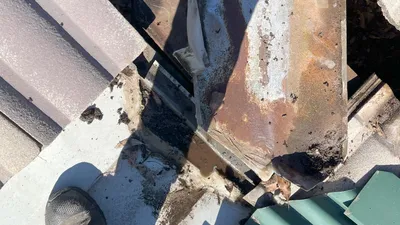
Valleys are typically galvanised steel or Colorbond. Salt accelerates corrosion, especially at the base of valleys where debris accumulates and holds saltwater against the metal. Coastal valley replacements are one of our most common jobs.
Flashings around penetrations, walls, and chimneys corrode at the same accelerated rate. The sealant used on flashings also degrades faster in salt environments.
Gutters cop salt from above (direct deposition) and from below (splash-back from the ground). The inside of gutters is particularly vulnerable because salt-laden water sits in the gutter between rain events. On coastal properties, we regularly see gutters rusted through from the inside even while the outside still looks reasonable.
Suburbs Most Affected
Perth’s most salt-affected suburbs include:
Northern coastal: Scarborough, Trigg, Watermans Bay, Hillarys, Sorrento, Mullaloo, Burns Beach, Mindarie
Central coastal: Cottesloe, Swanbourne, City Beach, Floreat (western sections), Wembley (western sections)
Fremantle area: Fremantle, North Fremantle, South Fremantle, Beaconsfield, White Gum Valley
Southern coastal: Rockingham, Safety Bay, Waikiki, Warnbro, Mandurah, Halls Head
River-adjacent: Properties near the Swan River estuary also experience mild salt exposure, particularly around Mosman Park, Peppermint Grove, and Dalkeith, where tidal salt air from the river mouth reaches inland.
If you’re unsure about your property’s salt exposure, check the BCA (Building Code of Australia) wind region classification for your address. Properties classified as “within 1 km of the coast” or in marine exposure categories face the highest salt loads.
Maintenance Schedule for Coastal Roofs
Coastal roofs need more frequent maintenance than inland roofs. Here’s the recommended schedule:
Annual (Every 12 Months)
- Roof wash. A freshwater pressure clean removes accumulated salt deposits before they can cause damage. This single action extends the life of every roof component significantly. Some coastal homeowners wash their roofs twice a year - once after summer (to remove salt accumulated during the sea breeze season) and once after winter (to remove debris and check for storm damage).
- Gutter clean and inspection. Clear debris and check for internal corrosion. Salt sitting in damp gutter debris accelerates corrosion dramatically.
- Visual inspection. Walk around the property and look at the roof from ground level. Note any new rust spots, displaced tiles, or coating changes.
Every 2-3 Years
- Professional roof inspection. A thorough on-roof inspection checking coating condition, pointing integrity, valley condition, and flashing sealant. Issues caught at this stage are cheap to fix; left longer, they become expensive.
- Fastener check (metal roofs). Check screw condition - look for rust staining around screws, loose screws, and degraded rubber washers.
Every 8-12 Years
- Recoating (concrete tiles). Coastal concrete tiles typically need recoating sooner than inland tiles. Budget for a recoat every 10-12 years rather than the 15-20 years an inland roof might achieve.
- Repointing. Check pointing condition and budget for full repointing every 10-15 years on coastal roofs.
Every 15-20 Years
- Valley replacement. Coastal valleys corrode faster and typically need replacement at the 15-20 year mark rather than the 25-30 years common inland.
- Gutter replacement. Same principle - coastal gutters have a shorter lifespan.
Material Choices for Coastal Areas
If you’re building new or replacing a roof in a coastal Perth suburb, material selection matters significantly:
Colorbond Ultra is BlueScope’s coastal-specific product, rated for use within 100 metres of breaking surf. It has a thicker, more corrosion-resistant coating system than standard Colorbond. If you’re within 1 km of the coast, it’s worth the premium.
Terracotta tiles are the most salt-resistant tile option. They cost more than concrete tiles upfront but require less maintenance and coating work over their lifespan in coastal areas.
Stainless steel fasteners are essential in severe coastal zones. Standard zinc-plated screws will corrode and fail years before the sheets they’re holding.
Marine-grade flashings - use stainless steel or lead flashings rather than galvanised steel in severe exposure areas.
How Salt Exposure Affects Restoration Product Selection
When restoring a roof in a coastal area, product selection needs to account for the salt environment:
Primers. Salt-contaminated surfaces need thorough cleaning before priming, and the primer needs to be suitable for potentially salt-affected substrates. Skipping proper preparation on a coastal roof leads to adhesion failure within a few years.
Coatings. Not all roof coatings perform equally in salt environments. Premium acrylic membrane coatings from manufacturers like Dulux Acratex are formulated for Australian coastal conditions. As a Dulux Acratex Accredited Applicator - Roofing Specialist, we select coating systems specifically rated for the exposure level of each property.
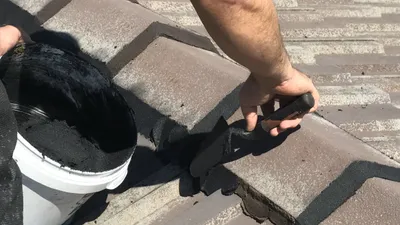
Pointing compounds. Coastal roofs benefit from premium pointing compounds with higher polymer content for better flexibility and salt resistance. The cost difference between standard and premium pointing is small relative to the extended service life.
The Bottom Line
Salt air is an invisible, ongoing attack on your roof. You can’t stop it, but you can manage it. The key is understanding your exposure level, maintaining a more aggressive maintenance schedule than inland properties, and choosing the right materials and products when work is needed.
If you live in a coastal Perth suburb and your roof hasn’t been professionally inspected in the last few years, it’s worth booking a roof inspection. Salt damage is cumulative and accelerating - the earlier you identify and address it, the less it costs to fix.
An annual freshwater wash is the single most cost-effective thing you can do for a coastal roof. It removes salt deposits before they can cause damage, and it costs a fraction of the repair work that salt damage eventually requires.

 Licensed
  Fast Response
