
5 min read
Roofs don’t give you much warning before problems become expensive. By the time you notice a ceiling stain or a cracked tile from the ground, the damage is often well underway. The good news is that there are clear signs that tell you when a roof is approaching - or has reached - the point where it needs professional attention.
Here are eight signs Perth homeowners should take seriously.
1. Paint Is Visibly Fading or Chalking
The most obvious sign. If your roof has been painted and the colour has faded significantly, or if you run your hand over a tile (carefully) and paint transfers onto your palm, the coating has broken down. Chalking means the binder in the paint has degraded and the coating is no longer providing weatherproof protection.
A chalking or heavily faded coating doesn’t just look bad - it means the tiles are increasingly exposed to UV and moisture, and deterioration accelerates from this point.
2. Moss or Lichen Is Established on the Surface
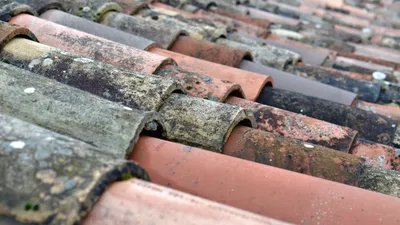
Some moss growth is cosmetic. But established lichen - the flatter, harder growth that bonds chemically to the tile surface - is a sign that the surface coating has worn away enough for biological material to take hold. Lichen holds moisture against the tile, accelerating weathering, and it can lift tile coatings as it grows.
Perth roofs in leafy suburbs like Dalkeith, Claremont, Mt Pleasant, and the hills areas tend to develop growth faster due to tree canopy and retained moisture. If you can see distinct patches of grey-green lichen from the ground, it’s time to at least get a roof cleaning and assessment done.
3. Cracked or Missing Pointing on the Ridge Caps
Look along your roofline at the ridge - the peak where the two roof planes meet. The cement or compound running along each side of those ridge cap tiles is the pointing. If you can see chunks missing, cracks, or gaps, water is entering your roof cavity during rain. This is one of the most common causes of ceiling leaks in Perth homes.
Failed pointing isn’t an emergency in dry weather, but it becomes one during Perth’s winter storm season. Don’t wait.
4. Cracked, Broken, or Slipped Tiles
Individual tiles crack from thermal stress, foot traffic (tradies walking on the roof), or hail. A cracked tile is a direct water entry point. Slipped tiles - where a tile has shifted out of position - expose the underlay or sarking beneath, which isn’t a long-term weatherproof barrier.
You can sometimes spot cracked tiles from the ground. More often they’re found during a roof inspection. A cracked tile doesn’t mean the whole roof needs replacing - just that affected tiles need attention before the roof is restored.
5. Water Stains on Your Ceilings
If you have water stains running across your ceiling, you have a roof leak. The challenge is finding the source - water can track along rafters and roof timbers well away from where it’s actually entering. A ceiling stain under the ridge suggests failed pointing. A stain near a wall or chimney often points to failed flashing. A stain in an open ceiling area might indicate a cracked tile or valley issue.
Don’t wait on a leak. Water in roof timbers causes wood rot, and a single winter of unaddressed leaking can mean thousands in repair costs beyond the roof itself.
6. Rust Staining or Deteriorated Valleys
The valleys are the V-shaped channels running down the internal angles of your roof where two planes meet. Metal valleys eventually corrode - especially older galvanised steel ones common on Perth homes built before the 1990s. Rust staining on tiles below the valley line is a sign the valley itself is deteriorating. Failed valleys cause major leaks that are often difficult to trace precisely.
Valley replacement during a restoration is significantly more cost-effective than addressing it as an emergency later.
7. Your Neighbours’ Roofs Look Noticeably Better
It sounds trivial, but it’s actually useful information. Houses of similar age in the same suburb should have roofs in roughly comparable condition. If your neighbours’ tile roofs look vibrant and well-maintained and yours looks dull and weathered, that’s a meaningful indicator that maintenance is overdue.
It’s also worth knowing that a well-maintained roof adds to street appeal and property value - something that matters whether you’re planning to sell or not.
8. The Roof Is Over 15 Years Old and Has Never Been Done
If your home is 15+ years old and the roof has never had a professional restoration, it needs an inspection regardless of how it looks from the ground. Many of the issues that lead to leaks and expensive repair bills - slow pointing failure, hairline tile cracks, deteriorating valleys - aren’t visible without getting up close.
A roof assessment costs nothing with us and gives you an accurate picture of what condition you’re actually dealing with.
What to Do If You’ve Spotted These Signs
Not every sign means you need a full restoration right away. A newer roof with good coating but some repointing needed might only need targeted repairs. An older roof showing multiple signs probably needs the full scope: clean, repair, repoint, paint.
The only way to know for sure is a proper assessment by someone who knows what to look for.
Get an online quote - we assess your roof remotely from satellite and aerial imagery with no site visit needed, and a paid on-site inspection is available if needed. We’ll give you a straight assessment of what’s needed and what it’ll cost, with no obligation.

 Licensed
  Fast Response
