6 min read
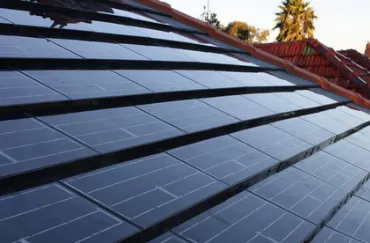
Perth has one of the highest rates of rooftop solar in the world, and for good reason - our sunshine hours make it a no-brainer investment. But solar panels and roof restoration have a complicated relationship, and getting the timing wrong can cost thousands.
The Golden Rule: Restore First, Then Install Solar
If your roof needs restoration in the next 5-10 years and you’re also planning solar, restore the roof first. Every time.
Here’s why:
- Solar panels must be removed for restoration - you can’t clean, repair, or paint a roof underneath mounted panels
- Panel removal and reinstallation costs $1,500-$4,000 depending on system size and roof type
- There’s a risk of panel damage during removal, especially with older mounting systems
- Your solar warranty may be affected if anyone other than the original installer touches the system
- You lose power generation during the days or weeks the panels are off the roof
A roof restoration lasts 15-20 years with quality products. If your roof is already due for work and you install solar first, you’ll be paying to remove those panels within a few years. That’s money wasted.
What If Solar Is Already Installed?
This is the situation we see most often. The panels went on five or ten years ago, and now the roof underneath needs attention. Your options:
Option 1: Full Panel Removal, Restore, Reinstall
The panels come off entirely, we restore the full roof, then your solar installer puts them back.
Pros:
- Best possible restoration result - full access to every part of the roof
- Mounting points can be resealed and weatherproofed during reinstallation
- Opportunity to upgrade or reposition panels
Cons:
- Additional cost for removal/reinstall ($1,500-$4,000)
- Downtime on solar generation (typically 1-2 weeks)
- Risk of damage to older panels during handling
This is the approach we recommend for roofs that need a full restoration - cleaning, repairs, and recoating the entire surface.
Option 2: Work Around the Panels
We restore every area of the roof that we can access, working around the panels and their mounting rails.
Pros:
- No panel removal cost
- No solar downtime
- Faster turnaround
Cons:
- The area under and immediately around the panels doesn’t get cleaned, repaired, or painted
- When the panels eventually come off (end of life, upgrade, reroof), you’ll see the untreated sections
- Mounting point seals can’t be properly inspected or maintained
This can work if the panels cover a relatively small area and the roof underneath them is in reasonable condition. It’s a pragmatic compromise, but it’s not a full restoration.
Option 3: Partial Restoration + Targeted Panel Lift
Some solar installers can temporarily lift panels off their rails without a full electrical disconnection, giving us access to clean and paint underneath. This works with some mounting systems but not all.
Pros:
- Cheaper than full removal
- Shorter solar downtime
- Better coverage than working around panels
Cons:
- Not possible with all mounting systems
- Limited working space under lifted panels
- Rails themselves still block some areas
We can assess whether this is feasible during the quoting process.
Mounting Points and Waterproofing
Every solar panel mounting bracket is a penetration through your roof surface. On tile roofs, brackets typically replace a tile with a mounting foot that bolts to the rafter below. On metal roofs, they’re screwed directly through the sheeting.
These penetrations are potential leak points, and they need to be properly sealed. During a restoration where panels are removed, we check and reseal every mounting point. This is one of the underappreciated benefits of doing the work properly - you’re addressing dozens of potential leak sources that are hidden under panels.
If your panels were installed by a reputable company, the original sealing should be sound. But after 10+ years of UV exposure and thermal cycling, sealants degrade. A restoration is the right time to renew them.
Roof Condition Assessment Under Panels
One thing we often find is that the roof surface under solar panels is in better condition than the exposed areas. The panels act as a sunshade, protecting the tiles and coatings from UV, heat, and rain impact.
This means:
- Tiles under panels typically have less surface degradation
- Old paint or coatings may still be intact under panels but failed everywhere else
- Moss and lichen growth is usually less under panels (less moisture and light)
However, the area immediately around panel edges - where rainwater runs off the panel onto the tile - often shows accelerated wear from concentrated water flow. These drip lines can erode pointing and create moss growth.
Solar Panel Age Matters
The age of your solar system affects the decision:
Panels less than 5 years old: Restoration can probably wait. Focus on maintenance - gutter cleaning, pointing repairs, fixing any leaks. By the time the roof needs a full restoration, the panels will have paid for themselves many times over, and removal/reinstall is a reasonable cost.
Panels 5-15 years old: This is the tricky zone. The panels still have productive life, but the roof underneath might be deteriorating. Get the roof assessed and make a plan. It may be worth coordinating restoration with a panel clean or system check.
Panels 15-25 years old: When panels reach end of life (most degrade to about 80% output by year 25), you’ll be removing them anyway. This is the natural time for a full roof restoration - strip the old system, restore the roof, then decide whether to install a new solar system on the freshly restored surface.
Planning Ahead
If you’re getting quotes for both solar and roof restoration, here’s the smart sequence:
- Get a roof inspection first - understand the current condition and remaining life
- If restoration is needed within 5 years - do it before solar goes on
- Get your solar quote after restoration - the installer can work with a clean, sound roof
- Keep records of mounting point locations - useful for future maintenance
If solar is already installed and you need roof work, the decision comes down to budget and how thorough you want the restoration to be. Removing panels for a full restoration is more expensive upfront but gives a better, longer-lasting result.
The Bottom Line
The best time to think about your roof is before the solar panels go on. But if you’re past that point, it’s not a disaster - just a factor in planning your restoration. We work with solar installers regularly and can coordinate the timing to minimise your downtime and cost.
The worst option is ignoring a deteriorating roof because you don’t want to deal with the solar panels. Roof damage underneath panels only gets worse, and the longer you wait, the more extensive (and expensive) the roof restoration becomes.
If you’re not sure which stage your roof and solar system are at, get a free online quote and we’ll factor the panels into the assessment rather than working around them.
 Licensed
  Fast Response
