4 min read
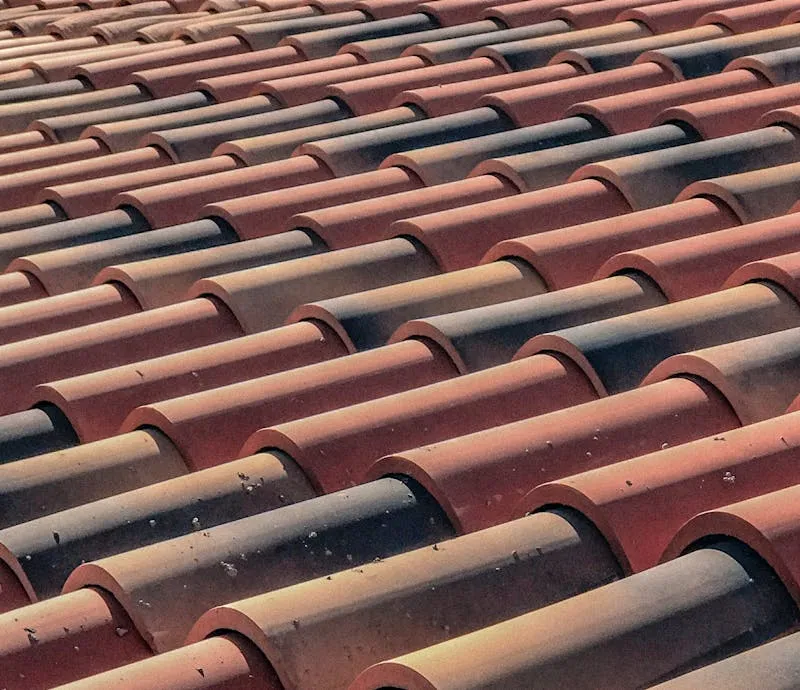
Drive through Dianella, Mount Lawley, Wembley, Inglewood or Floreat and you’ll see terracotta everywhere - the warm red and brown tiled roofs that define Perth’s established suburbs. Most were laid between the 1950s and the 1990s, which means a lot of them are now well overdue for some attention.
But terracotta isn’t concrete, and restoring it isn’t the same job. If you’ve got a terracotta roof, here’s what you actually need to know before you get it done.
Terracotta vs Concrete: Why It Matters
The headline difference is the surface. Terracotta tiles are fired clay with a baked-on glaze. Concrete tiles are cement with a painted-on colour coat that sits on top.
That changes everything about restoration:
- Concrete tiles fade because their surface coat wears away - so they genuinely benefit from being re-coated and re-coloured.
- Glazed terracotta tiles don’t fade the same way. A glazed terracotta tile in good condition often just needs a thorough clean to come back to life - not a coat of paint. Painting over sound glazed terracotta can actually look worse and won’t bond as well as it does to a porous surface.
So the first honest question with any terracotta roof is: does this even need coating, or does it need cleaning and repairs? (We dig into the broader tile comparison in concrete vs terracotta tiles.)
What Terracotta Roofs Actually Need
After 30-50+ years, the tiles themselves are usually the toughest part of the roof. What fails first is everything around them:
The pointing and ridge caps
This is the big one. The mortar pointing that seals the ridge and hip caps perishes, cracks and washes out over decades of Perth heat and rain. That’s where leaks start. The fix is re-pointing with a flexible pointing compound that bonds to the caps and flexes with the roof instead of cracking out again like old cement.
Broken and slipped tiles
Old terracotta becomes brittle, and decades of foot traffic, storms and tree branches take a toll. Cracked and slipped tiles get replaced. Matching them is its own challenge (more on that below).
Moss, lichen and black staining
Terracotta’s slightly porous, glazed surface holds moisture on the shaded southern side of a roof, and Perth’s damp winters grow moss and lichen happily. A proper high-pressure clean lifts decades of growth and grime - and on a lot of terracotta roofs, this single step is the transformation.
Valleys
The metal valleys between roof planes rust out long before the tiles do. Rusted valleys get replaced as part of a full restoration.
The Terracotta Restoration Process
A typical terracotta restoration runs like this:
- Inspection - assess the tiles, pointing, valleys and any leaks.
- Repairs - replace broken and slipped tiles.
- High-pressure clean - strip moss, lichen, dirt and lifted growth back to a clean surface.
- Re-point the ridge caps - flexible pointing for a watertight, long-lasting seal.
- Re-valley if needed - replace rusted valley irons.
- Coating (only if appropriate) - if the tiles have lost their glaze and gone porous and chalky, a glaze coat or full Dulux Acratex system restores colour and protection. If the glaze is sound, we won’t coat for the sake of it.
That last point matters. A good terracotta restoration is led by what the roof needs - not a default “everything gets painted” approach.
Matching Old Terracotta Tiles
One genuine headache with terracotta: discontinued profiles. Brands like Wunderlich, Bristile and Marseille made dozens of tile shapes over the decades, and many are no longer manufactured. Sourcing exact replacements for a 1960s roof can mean reclaimed tiles from demolition yards. A good roofer keeps a stock of common older profiles - but it’s worth knowing matching isn’t always instant. (Not sure what you’ve got? See how to identify your roof tile brand and type.)
What Does It Cost?
Cost depends on the roof’s size, pitch, access, how many tiles need replacing and whether it needs coating or just a clean-and-repair. Because there’s such a range, we’ve put the detail in our Perth roof restoration cost guide rather than quote a misleading single figure here. The key thing with terracotta: a clean-and-repoint job costs less than a full coated restoration, so an honest inspection that tells you which one you need can save you real money.
The Bottom Line
Terracotta roofs are built to last, and most Perth terracotta tiles outlive their pointing, valleys and the moss growing on them by decades. Done right, restoring one is often more about repairs and a serious clean than about paint - and a roofer who tells you that, rather than reaching straight for the spray gun, is the one to trust.
Got a terracotta roof you’re wondering about? Get an online quote - we assess it remotely from satellite and aerial imagery, with a paid on-site inspection available if needed, and we’ll tell you honestly what it needs.

 Licensed
  Fast Response
