11 min read
It starts as a small stain on the ceiling. Maybe a drip during heavy rain. You put a bucket under it, make a mental note to “get it looked at,” and then life gets busy. Weeks pass. The stain dries. You forget about it - until the next big rain when the bucket comes out again.
This is one of the most expensive mistakes Perth homeowners make. Not because the leak itself is catastrophic, but because the damage it causes compounds over time. A $300 repair becomes a $3,000 problem becomes a $15,000 remediation. The timeline is predictable, and we see it play out regularly.
Here’s exactly what happens when you ignore a small roof leak, stage by stage.
Week 1-2: The Stain Appears
The first visible sign is usually a discoloured patch on the ceiling - yellowish, brownish, or grey depending on what the water is carrying with it. At this point, water has already travelled from the entry point on the roof, along timber framing or through insulation, and reached the ceiling lining.
What’s actually happening: Water is wetting the plasterboard ceiling, timber framing, and potentially insulation. If it’s a tiled roof, water may be entering through cracked pointing, a broken tile, or a failed flashing. On a metal roof, it’s typically a corroded fastener, a failed seal around a penetration, or a lifted sheet.
Cost to fix at this stage: $200-$500 for the roof repair itself, depending on access and the nature of the issue. The ceiling stain can usually be sealed with stain-blocking primer and painted over for another $100-$200 if it’s a small area.
What most people do: Nothing. They decide it’s cosmetic, put a towel down during rain, and wait.
Month 1-2: Mould Begins
This is where the situation changes from cosmetic to health-related. Mould spores are everywhere - in every home, in every building. They’re dormant and harmless until they find moisture. A roof leak provides exactly what mould needs: sustained dampness in an enclosed space.
Within 24-48 hours of wetting, mould can begin colonising damp materials. Within a few weeks, it’s established. You might not see it yet - mould often grows on the back side of plasterboard, on top of ceiling insulation, and inside wall cavities before it becomes visible on interior surfaces.
What’s actually happening: Mould colonies are establishing in the ceiling cavity. Insulation that has absorbed water is losing its thermal performance - wet insulation is essentially useless. Timber framing is remaining damp between rain events because the enclosed cavity doesn’t allow adequate drying.
Cost to fix at this stage: $500-$1,500 for the roof repair plus mould treatment and insulation replacement in the affected area. Still very manageable.
What most people do: They might notice a musty smell or see a small patch of mould on the ceiling. They wipe it off with bleach. The visible mould goes away temporarily. The colony behind the ceiling continues growing.
3-6 Months: Insulation Destroyed, Timber Softening
By this point, the leak has been wetting the same materials repeatedly through multiple rain events. Perth’s winter rainfall pattern - several months of regular rain - means the affected area may not fully dry out between wettings.
What’s actually happening:
- Insulation is ruined. Fibreglass batts that have been repeatedly wet are compressed, contaminated, and functionally worthless. They need to be removed and replaced, not dried out.
- Timber framing is softening. Sustained moisture causes timber to swell and soften. It may not be rotting yet, but it’s on its way. The moisture content of the timber is well above the roughly 20% mark where decay organisms become active.
- Mould is spreading. The colony has expanded beyond the initial wet area. Mould doesn’t just grow where it’s wet - it sends out spores that colonise adjacent damp-ish surfaces. A single leak point can result in mould growth across several square metres of ceiling cavity.
- Plasterboard is deteriorating. Repeated wetting causes plasterboard to lose structural integrity. It becomes soft, saggy, and may eventually collapse under its own weight.
Cost to fix at this stage: $2,000-$5,000. You’re now looking at roof repair, ceiling replacement in the affected area, insulation replacement, mould remediation, and potentially timber treatment. The job requires multiple trades - roofer, plasterer, insulation installer, and possibly a mould remediation specialist.
Warning signs you’ll see: The ceiling stain is larger and darker. The plasterboard may feel soft or spongy when pressed. The musty smell is persistent, not just occasional. You might see mould appearing around the edges of the stain or in corners near the affected area. Paint may be peeling or bubbling.
6-12 Months: Structural Damage Begins
This is where costs start escalating sharply.
What’s actually happening:
- Timber rot has begun. Decay fungi are actively breaking down the timber framing. You can push a screwdriver into affected timber with minimal resistance. Load-bearing capacity is diminishing.
- Mould is a health issue. Prolonged mould exposure causes respiratory symptoms - coughing, wheezing, sinus congestion, headaches - particularly in children, elderly occupants, and anyone with asthma or allergies. Some mould species produce mycotoxins that cause more serious health effects.
- Water is tracking further. The original leak point hasn’t changed, but water has found new pathways. It’s running along framing members, wicking through insulation, and potentially reaching wall cavities and internal walls. You may start seeing stains or mould in locations that seem unrelated to the original leak.
- Electrical risk is emerging. If water reaches electrical wiring, junction boxes, or downlights (particularly recessed halogen or LED downlights in the ceiling cavity), there’s a genuine safety risk. Water and electricity in ceiling cavities is a house fire scenario.
Cost to fix at this stage: $5,000-$10,000. Roof repair, structural timber repair or replacement, extensive mould remediation, full ceiling replacement in the affected area, insulation replacement, electrical inspection and any necessary rewiring, and repainting.
1-2 Years: Major Remediation Required
At this point, you’ve moved from “repair” to “remediation.” The scope of work is significantly larger than the original leak.
What’s actually happening:
- Structural timber may need replacement. Rafters, battens, and ceiling joists in the affected area may have lost enough structural integrity to require replacement. This means stripping the roof covering in the area, replacing timber, and re-covering.
- Ceiling collapse becomes a real risk. Plasterboard that has been repeatedly wet over a long period can simply give way. We’ve attended homes where sections of ceiling have fallen - bringing sodden insulation with them.
- Mould has spread extensively. What started as a localised colony is now potentially throughout the ceiling cavity and into wall cavities. Professional mould remediation at this scale involves containment, HEPA filtration, removal of all contaminated materials, and treatment of remaining surfaces.
- Subfloor and walls may be affected. Water that has been running along framing for over a year can reach wall plates, studs, and even subfloor framing in some home configurations.
- Termite risk has increased. This is particularly relevant in Perth, where subterranean termites are common. Sustained moisture in timber framing is an attractant for termites. A leak that’s been running for a year or more can create conditions that draw termite activity to an area that was previously unaffected.
Cost to fix at this stage: $10,000-$25,000 or more, depending on the extent of structural damage and mould spread. This figure includes roof repair, structural remediation, mould remediation, ceiling and possibly wall replacement, insulation, electrical work, painting, and potentially pest treatment.
The Health Impact
Mould from roof leaks is a genuine health concern, not an abstract one. The World Health Organisation and numerous Australian health authorities have documented the link between indoor mould exposure and respiratory illness.
Common health effects of living with mould from a neglected leak:
- Respiratory symptoms: Persistent cough, wheezing, shortness of breath, worsening of asthma
- Sinus and nasal issues: Chronic congestion, sinusitis, post-nasal drip
- Eye and skin irritation: Itchy or watery eyes, skin rashes
- Headaches and fatigue: Often chronic and unexplained until the mould is identified
- Allergic reactions: Development of new allergies or worsening of existing ones
Children, elderly occupants, and immunocompromised individuals are most at risk. But even healthy adults experience symptoms when mould exposure is sustained.
The insidious thing about mould from a ceiling leak is that you may not see it. The colony is above the ceiling lining, out of sight. But mould spores are airborne - they enter living spaces through gaps around downlights, through ceiling vents, and through the plasterboard itself as it deteriorates.
If occupants are experiencing unexplained respiratory symptoms and there’s a history of roof leaks - even “fixed” ones - mould testing in the ceiling cavity is worth doing.
Insurance Implications
This is where many homeowners get a nasty surprise. Home insurance typically covers sudden and accidental damage - a storm rips off a ridge cap, rain enters, damage occurs. That’s a valid claim.
But insurance does not cover damage resulting from lack of maintenance or neglect. And here’s the problem: if you’ve known about a leak and haven’t addressed it, the insurer can argue that the resulting damage was caused by neglect, not by the original event.
The key factors insurers look at:
- When did you first notice the leak? If there’s evidence you knew about it months or years before making a claim, that works against you.
- Did you take reasonable steps to prevent further damage? Putting a bucket down is not a repair. Insurers expect you to arrange temporary repairs promptly and permanent repairs within a reasonable timeframe.
- Is the damage from the initial event or from ongoing neglect? A single storm causing a leak and immediate water damage is insurable. Months of water ingress from an unrepaired roof is often not.
We’ve seen homeowners submit claims for $15,000 in water damage and mould remediation, only to have the claim reduced or rejected because the insurer determined the damage escalated due to the homeowner’s failure to address the initial leak promptly.
The message is clear: fix leaks when you find them, and document that you did so. It protects your insurance position if further issues develop.
Real Scenarios We’ve Seen
Without identifying specific properties, here are situations we’ve encountered that illustrate the progression:
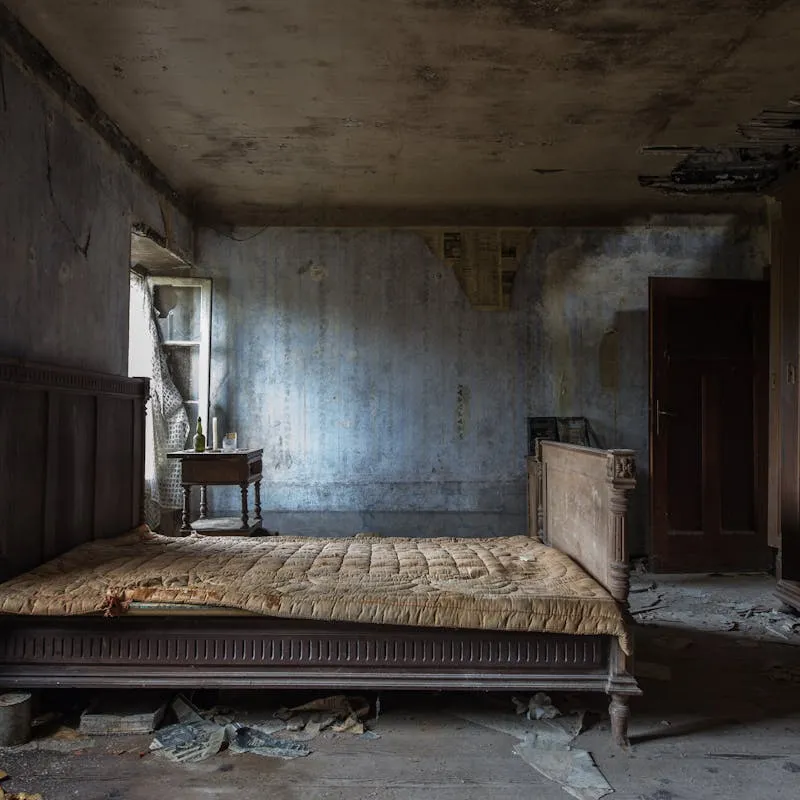
The “bucket for two years” house. A small drip in the back bedroom during heavy rain. The homeowner put a bucket down and emptied it after each rain event. Two years later, the plasterboard collapsed in a 2-metre square section, bringing down waterlogged insulation. The timber rafters had active rot. Total remediation cost was approximately $14,000 - for a leak that would have cost around $350 to fix when first noticed.
The rental property. Tenants reported a ceiling stain to the property manager. The PM noted it but didn’t arrange inspection due to a dispute about other maintenance issues. Eight months later, mould was visible in the bedroom and the tenants were experiencing health symptoms. The resulting remediation, temporary accommodation for the tenants, and legal costs exceeded $20,000.
The “it only leaks sometimes” roof. The homeowner noticed a leak only during heavy rain with a northerly wind. Because it didn’t happen every time it rained, they assumed it was minor. The reality was that wind-driven rain was entering through degraded pointing on the windward side. Over 18 months, the intermittent wetting was enough to establish mould throughout the ceiling cavity on that side of the house.
The False Economy of “It’s Only a Small Drip”
Here’s the uncomfortable truth: there is no such thing as a small leak. There are leaks you’ve caught early and leaks you haven’t. The drip you see is just the visible endpoint of water that has already travelled through your roof structure, potentially wetting materials along the entire path.
The volume of water entering doesn’t need to be large to cause damage. A slow, persistent drip that delivers a cup of water into the ceiling cavity during each rain event adds up to litres over a winter season. All of that water is being absorbed by insulation, timber, and plasterboard that are not designed to handle sustained moisture.
And Perth’s climate works against you in a specific way: the warm, humid conditions in a roof cavity during autumn and spring are ideal for mould growth. The cavity doesn’t get enough airflow to dry out between rain events, but it’s warm enough for biological activity. This is why mould establishes so quickly in Perth roof cavities compared to drier climates.
The Bottom Line
A roof leak is a time-sensitive problem. The cost of fixing it doubles, then quadruples, then multiplies further the longer you leave it. The progression from cosmetic stain to structural remediation is measured in months, not years.
If you’ve got a stain on the ceiling, a drip during rain, or any sign of water entry - book a leak repair now. Not next month, not “after winter,” not when you “get around to it.” The repair itself is almost always straightforward and affordable. It’s the consequences of delay that get expensive.
A $300 repair today prevents a $15,000 remediation next year. That’s not a scare tactic - it’s the reality we see on a regular basis. The bucket under the drip isn’t a solution. It’s a countdown timer.

 Licensed
  Fast Response
